Resale safety snapshot: New collectors lose money when they buy too fast, trust vague listings, skip condition details, ignore provenance, underestimate fees, and fail to document the transaction. Slow down, verify the item, compare sold prices, and keep records before treating any resale listing as a safe deal.
New collectors often make the same resale marketplace mistakes: they buy before researching, trust poor photos, confuse asking prices with value, skip condition details, ignore authenticity, underestimate total cost, and fail to document the sale. A safer purchase starts with patience.
Resale marketplaces can be exciting because rare prints, vinyl, props, books, posters, toys, trading cards, concert merch, animation art, and signed items appear without warning. That urgency is exactly what makes beginners vulnerable. A listing can feel like a once-in-a-lifetime chance when it is really a common item with a high price and weak proof.
Mistake 1: treating asking price as market value
A seller can ask anything. Market value is closer to what similar items actually sold for in comparable condition. Search sold listings, auction archives, dealer catalogs, and collector forums before deciding whether a price is fair. If you only compare active listings, you may compare one inflated price with another.
Be specific. A first pressing, later reissue, signed copy, sealed item, restored poster, reproduction, variant cover, or convention exclusive can have a very different value from a similar-looking item. Small details often change the price more than beginners expect.
Mistake 2: buying from photos that do not show condition
Condition drives collectibility. Blurry photos hide creases, fading, water damage, missing parts, stains, repaired corners, warped records, loose joints, replaced packaging, or trimmed posters. Ask for clear images from multiple angles, including edges, backs, serial numbers, certificates, and flaws.
If the seller refuses reasonable photos, move on. A bargain that cannot be inspected is not a bargain. For items tied to film, animation, or media production, learning how credits and production roles work in animated project attribution can also help you understand what kind of item you are actually buying.
| Listing signal | Why it matters | Safer response |
|---|---|---|
| Only one photo | Damage or reproduction signs may be hidden | Request more images before paying |
| “Rare” with no evidence | Rarity is often used as pressure language | Check sold comps and edition details |
| No return policy | Risk shifts fully to buyer | Use protected payment and document condition |
| Vague provenance | Authenticity may be weak | Ask for source history and supporting records |
| Price far below market | Could be damage, scam, or counterfeit | Verify before celebrating |
Mistake 3: ignoring provenance and authenticity
Provenance means the ownership or source history of an item. It does not need to be glamorous, but it should be plausible. For signed items, production materials, props, limited prints, and high-value memorabilia, ask where the item came from and what documentation supports the claim.
Certificates can help, but they are not magic. Some are weak, generic, or unrelated to the specific item. Compare signatures, edition numbers, paper type, manufacturing marks, packaging, and known release information. When the price is meaningful, consider a reputable authenticator or specialist dealer rather than relying on a marketplace description.
The Federal Trade Commission’s consumer advice is a useful starting point for general marketplace safety, especially when a seller pressures you to use unusual payment methods or move the conversation off-platform.
Mistake 4: underestimating total cost
The listed price may not include tax, shipping, import duties, authentication fees, grading fees, insurance, framing, storage, cleaning, restoration, or replacement parts. A fragile poster or framed artwork may cost more to ship safely than expected. A collectible bought cheaply but stored poorly can lose value quickly.
Set a maximum all-in price before negotiating. Include the cost of protecting the item after it arrives. Acid-free sleeves, proper boxes, UV-safe framing, climate control, and insurance are not glamorous, but they matter if you want the object to last.
Mistake 5: letting urgency override verification
Sellers often use phrases like “priced to move,” “won’t last,” or “serious buyers only.” Sometimes those phrases are harmless. Sometimes they are pressure tactics. New collectors should pause when they feel rushed, especially if the item is expensive, the seller has limited history, or the listing lacks details.
Urgency also appears around pop-culture moments. A finale, reunion tour, artist death, viral clip, or convention announcement can trigger temporary price spikes. If your buying interest comes from fan excitement, consider whether the event itself might be a better use of money. The comparison in live experience choices can help separate collecting from attending.
Mistake 6: using unsafe payment or communication channels
Use platform-protected payment when possible. Be cautious with wire transfers, gift cards, cryptocurrency, friends-and-family payments, or requests to leave the marketplace. If a seller insists on a risky method, treat that as a serious warning.
If you believe you were targeted by online fraud, the FBI’s Internet Crime Complaint Center accepts reports of cyber-enabled crime in the United States. Reporting may not guarantee recovery, but it creates a record and can help authorities track patterns.
Mistake 6A: forgetting storage before buying
New collectors often buy the object first and think about storage later. Paper, vinyl, textiles, plastics, and signed surfaces can react badly to heat, sunlight, moisture, pressure, and cheap frames. Before buying a fragile item, decide where it will live and how it will be protected.
Storage affects value and enjoyment. A poster rolled too tightly, a record stacked under weight, or a toy kept in a damp room can deteriorate even if it arrived in excellent condition.
Mistake 7: failing to document the transaction
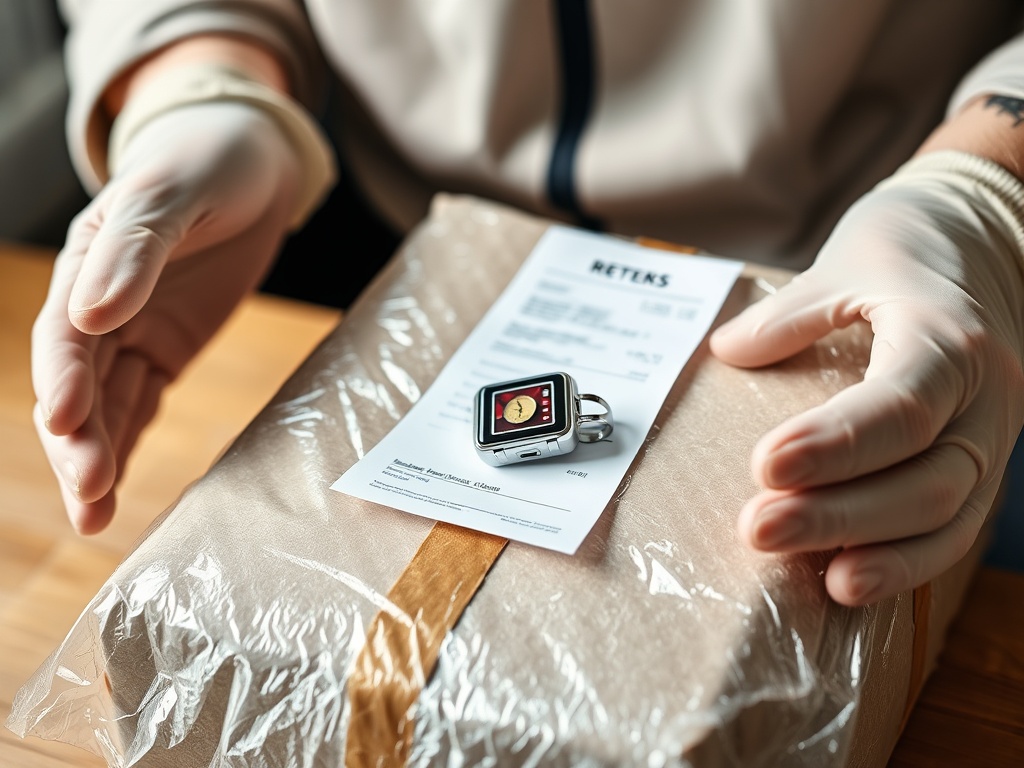
Save screenshots of the listing, seller messages, photos, payment receipt, tracking number, delivery confirmation, and the item’s condition on arrival. Open packages carefully and photograph the process for expensive items. If there is a dispute, documentation matters.
Also keep your own collection record. Note purchase date, seller, price, condition, storage location, provenance, and any restoration or grading. A simple spreadsheet can prevent confusion later if you sell, insure, donate, or pass the collection on.
Buy slowly, document everything
A safer resale process is straightforward: research sold prices, inspect condition, verify provenance, calculate total cost, use protected payment, and save records. If any piece is missing, reduce your offer or walk away.
Collecting should feel rewarding, not frantic. The best beginners learn to let some listings pass. There will be other items, and the one you buy carefully is more satisfying than the one you rush into because a countdown clock made it feel urgent.