Many people with diabetes can get dental implants safely, but planning matters. The core issue is not the label of diabetes alone. It is how well the condition is controlled, whether gum disease is present, how healing is going, and whether the patient’s overall oral environment is stable enough to support the implant long term.
Implant safety in brief
Diabetes does not automatically rule out dental implants.
Poor glycemic control can increase healing and infection risks, so dentists often want a clearer picture of current control before treatment.
Gum health, smoking status, bone conditions, home care, and follow-up habits matter alongside blood sugar management.
Implant candidacy is individualized. A dentist or specialist may recommend delaying treatment until periodontal disease or glycemic issues are better managed.
Why diabetes changes implant planning
Implants depend on healing, inflammation control, and maintenance. Diabetes can affect all three, especially if glycemic control is poor. The ADA notes that diabetes has important oral health effects, particularly around periodontal health, and research in JADA has raised concerns that hyperglycemia may be associated with higher implant-related complications.
That does not mean implants are unsafe for everyone with diabetes. It means the pre-treatment assessment is more important. A well-managed patient with healthy gums and good follow-up habits is different from someone with active periodontal disease, smoking exposure, or poorly controlled blood glucose.
Questions dentists usually want answered
Before recommending implants, a dentist may want to know:
How stable is your diabetes management right now?
Are there signs of active gum disease or uncontrolled inflammation?
Have you had slow healing or infections after previous dental procedures?
Do you smoke or vape?
Can you maintain the cleaning and recall visits implants require?
These questions are not gatekeeping for its own sake. They help estimate whether the environment around the implant is likely to stay healthy.
When the answer may be ‘yes, but not yet’
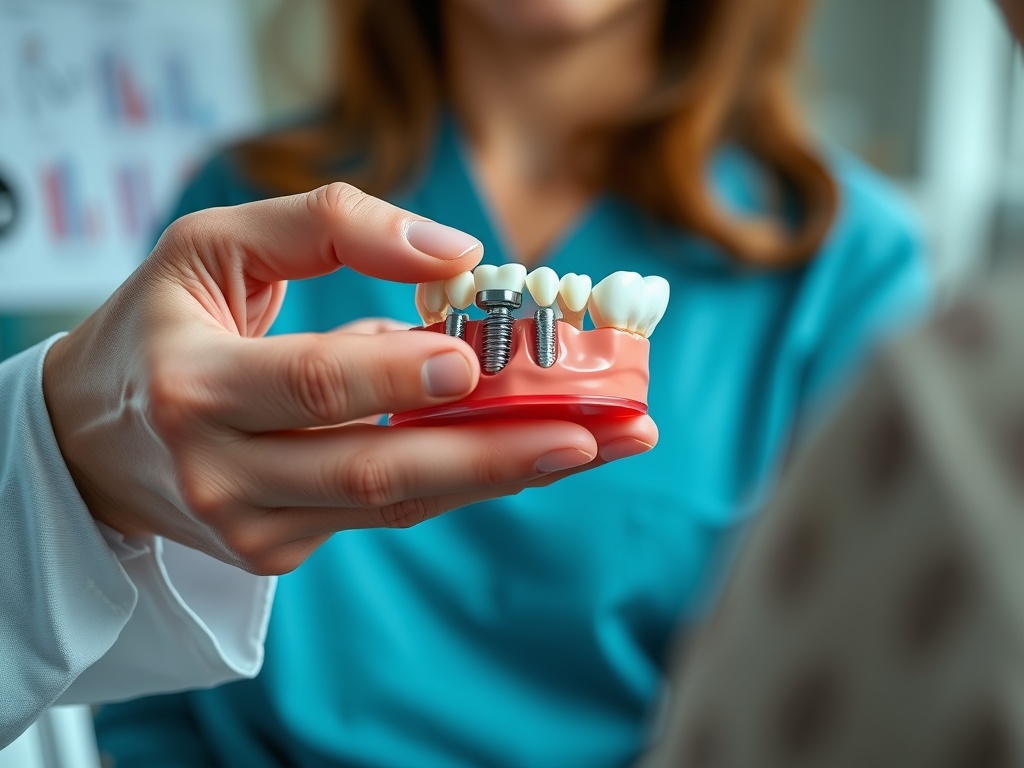
Sometimes the best implant plan is to wait. If gums are inflamed, plaque control is poor, or diabetes management is unstable, a dentist may recommend treating periodontal disease, improving home care, or coordinating with a physician before placing an implant.
Delaying is not always a rejection. It can be a way to improve the odds that the implant succeeds and remains easier to maintain. In some cases, other tooth replacement options may also be discussed depending on timing, finances, and overall prognosis.
To understand how diabetes can affect treatment planning, it helps to review ADA: diabetes and oral health, along with JADA research on implant outcomes and glycemic control.
What is standard and what is changing
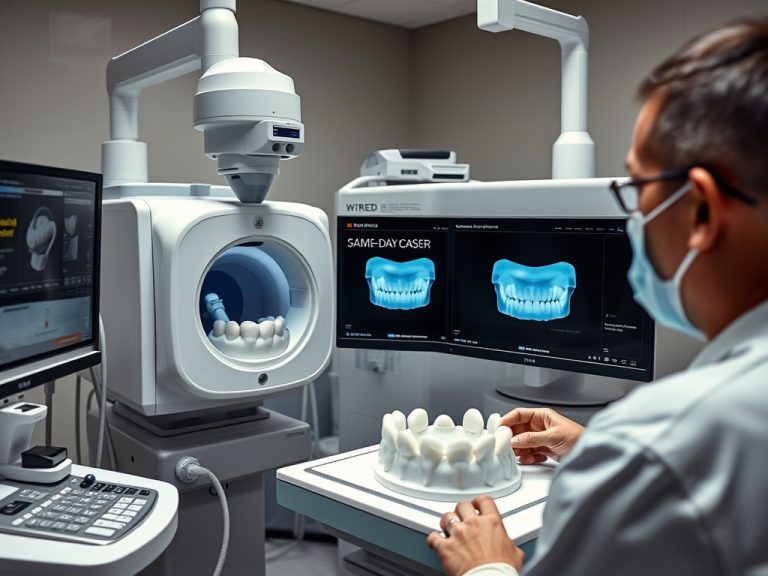
The standard principles remain steady: diagnose periodontal health first, assess medical history carefully, and plan follow-up maintenance. What has improved is the ability to evaluate bone and plan placement digitally, which can make implant treatment more precise.
Still, technology does not erase biology. A beautifully planned implant can struggle in an unhealthy oral environment. That is why a careful evaluation often matters more than a fast yes-or-no answer.
If you are comparing options around surgery and healing, Same-Day Crowns and CAD/CAM Dentistry: When Speed Helps and When It Doesn’t shows another case where treatment speed and selection matter, while The Most Important Questions to Ask Before Any Major Dental Treatment can help you ask clearer questions about risks, timing, and alternatives.
Routine appointment versus urgent care
Implant consultations for people with diabetes are routine, not urgent. Book a standard exam if you are considering an implant, have been told a tooth may not be savable, or want to understand whether your diabetes changes your options.
Seek urgent dental care if the current problem is infection, swelling, trauma, or severe pain. The implant question can wait until the immediate issue is stabilized.
If you are also comparing restorative options, Same-Day Crowns and CAD/CAM Dentistry: When Speed Helps and When It Doesn’t may help you understand when speed is useful and when a slower workflow is more appropriate.
How to have a smarter consultation
Bring your medication list, be ready to discuss your recent diabetes control, and ask how your gums affect candidacy. Also ask what success would require from you after placement. Implants are not passive devices. They depend on maintenance.
This is also a good moment to use the framework in The Most Important Questions to Ask Before Any Major Dental Treatment. The best consultation is one that explains candidacy, alternatives, timing, and maintenance in concrete terms.
What maintenance looks like after placement
Implant success does not end on the day the implant is placed or restored. People with diabetes often benefit from being especially consistent with periodontal maintenance, plaque control, and recall visits so inflammation is spotted early.
Ask how often your dentist wants to see you after treatment, how to clean around the implant, and what early warning signs of peri-implant problems should prompt a call. A strong maintenance plan is part of candidacy, not an afterthought.
Implant questions in plain language
Do dentists need a perfect diabetes history before discussing implants?
No. An initial conversation can happen first. But before surgery, a clearer medical picture helps the team judge healing and maintenance risks more accurately.
If I have gum disease and diabetes, does that end the conversation?
Not necessarily. It may mean sequencing treatment differently so inflammation and home care improve before implant placement is reconsidered.
Are implants the only strong option if a tooth is missing?
No. Bridges, removable prostheses, and sometimes saving the existing tooth may still be part of the discussion depending on the case.
How to prepare for an implant conversation
If you have diabetes and are considering implants, ask for an evaluation that focuses on control, gum health, healing risk, and long-term maintenance instead of a quick yes-or-no answer. That usually leads to a safer and more realistic plan.