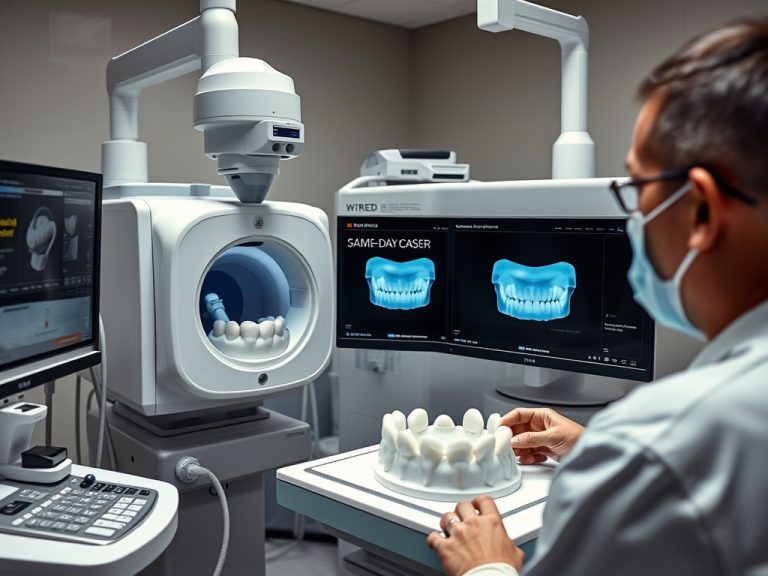
The best home routine for sensitive teeth lowers triggers, protects exposed dentin, and gives symptoms a fair chance to settle without guessing. The goal is not to mask every twinge forever. It is to reduce irritation while watching for signs that mean home care is no longer enough.
Quick take
Sensitive teeth often relate to enamel wear, gum recession, recent whitening, clenching, decay, cracks, or a leaking restoration.
A gentle routine with a soft brush, desensitizing toothpaste, fluoride, and trigger awareness is usually a sensible first step.
Relief can take time. Desensitizing toothpaste usually needs repeated use rather than one or two brushes.
Escalate to professional care if sensitivity is severe, one-sided, worsening, lingering after temperature changes, or linked to swelling, biting pain, or a visible crack.
What tooth sensitivity usually points to
Tooth sensitivity is a symptom, not a diagnosis. According to the ADA and JADA patient guidance, common causes include worn enamel, exposed root surfaces from gum recession, tooth decay, cracked teeth, worn fillings, grinding, and recent dental procedures or whitening products.
That is why the best home routine does two jobs at once: it reduces day-to-day stimulation and helps you notice patterns. If the problem improves, home care may be enough for now. If it stays localized, sharp, or progressive, a dentist may need to look for a structural cause.
A home routine that is usually worth trying first
Use a soft-bristled toothbrush or soft electric brush head, and brush with light pressure. Scrubbing harder can wear at already sensitive areas, especially near the gumline.
Choose a desensitizing toothpaste that carries the ADA Seal of Acceptance. These products work by reducing how strongly the tooth transmits stimuli to the nerve, but they usually need consistent use over time.
Spit after brushing, but try not to rinse aggressively right away. That gives fluoride and active ingredients more time on the teeth.
Clean between the teeth daily with floss or another interdental aid your dentist has recommended. Food traps and gum inflammation can make sensitivity feel worse.
Limit frequent acid exposure from sipping soda, sports drinks, energy drinks, or citrus all day. It is often the frequency, not just the amount, that matters.
Use whitening strips, abrasive charcoal products, and hard-bristled brushes cautiously if you are already sensitive.
A simple step-by-step routine for morning and night
Brush gently for two minutes with a soft brush and desensitizing fluoride toothpaste.
If one area is especially sensitive, a dentist may suggest dabbing a small amount of toothpaste on that spot after brushing rather than rinsing it away immediately.
Clean between the teeth once a day, moving slowly so you do not snap floss against the gums.
For a straightforward overview, start with ADA: Toothpastes and the ADA Seal, then pair it with JADA patient guidance on sensitive teeth and desensitizing toothpaste.
If you clench or grind, ask your dentist whether a night guard evaluation makes sense. Home care cannot fully solve bite overload.
Track your triggers for a week: cold drinks, sweets, brushing, whitening products, or biting pressure. Those details help if you need an exam.
When short-term relief is not the same as real treatment
Sensitivity sometimes settles because the trigger was temporary, such as a recent whitening session or a missed patch of plaque control. In other cases, the symptom eases but the cause stays in place. A cracked cusp, a cavity, or a failing filling may not stay quiet.
That is why it helps to separate temporary relief from definitive care. A home routine may reduce discomfort. It cannot repair a fracture, replace a leaking restoration, or treat decay once the tooth structure is compromised.
If you want the broader long-term angle, Why Preventive Dentistry Costs Less Than Waiting explains why smaller issues are often easier to manage before they become multi-step treatment.
Red flags that make sensitivity more urgent
Book a dental visit soon if sensitivity is focused on one tooth, lingers after hot or cold, hurts when you bite or release pressure, wakes you up, or keeps getting worse. Those patterns can suggest a crack, cavity, inflamed pulp, or another problem that deserves an exam.
Seek urgent dental care if sensitivity is accompanied by swelling, fever, pus, trauma, or severe pain. Home care is not the right endpoint for those symptoms.
For a broader prevention perspective, Why Preventive Dentistry Costs Less Than Waiting explains why early action often matters, and The Most Important Questions to Ask Before Any Major Dental Treatment can help you frame the right questions if sensitivity is not settling.
What a dentist may recommend if home care is not enough
Depending on the cause, a dentist may recommend fluoride varnish, a bonding material to cover exposed root surfaces, bite adjustment, a night guard, replacing a defective restoration, treating decay, or evaluating the tooth for pulpal irritation.
Sometimes the most useful next step is simply better diagnosis. Thermal tests, bite tests, radiographs, and a close look at the gumline can tell a more complete story than symptoms alone.
Questions patients often ask
Should I switch to a whitening toothpaste if my teeth feel rough or stained?
Usually not at first. Many whitening products can be more irritating for already sensitive teeth. It is often better to stabilize sensitivity first, then ask a dentist which stain-removal approach is least likely to worsen symptoms.
Is mouthwash enough if brushing hurts?
No. A rinse may support the routine, but it does not replace mechanical plaque removal. If brushing is painful, switch to a softer brush and lighter pressure rather than brushing less.
Can one sensitive tooth mean something more serious than 'general sensitivity'?
Yes. Sensitivity isolated to one tooth is more concerning for a local problem such as a crack, cavity, or failing filling than generalized cold sensitivity across multiple teeth.
When home care should give way to an exam
Try a gentle desensitizing routine consistently, but do not keep guessing if the pain is sharp, localized, or worsening. A short dental exam can show whether you are dealing with irritation that may settle or a tooth that needs treatment.