
Venue selection tools help teams compare spaces using evidence instead of instinct, especially when capacity, access, budget, risk, and attendee flow all compete for attention.
TL;DR: The best venue stack is not one expensive platform. It is a practical mix of requirements checklist, scoring matrix, budget tracker, site-visit notes, risk review, and contract comparison process.
What venue selection resources should actually do
A venue tool should help the team define fit before falling in love with a room. Good resources make trade-offs visible: location versus cost, ambience versus accessibility, capacity versus intimacy, availability versus operational control.
Templates also protect institutional memory. When one producer leaves, the scoring logic and site notes should remain understandable to the next person. That matters for recurring conferences, donor dinners, brand activations, and multi-city programs.
For broader event program thinking, IAVM’s venue safety and security resources offers useful context that teams can adapt to their own market, audience, and operating model.
Tool and template comparison for venue operations
| Resource | Use it for | Best for | Owner |
|---|---|---|---|
| Requirements checklist | Non-negotiables and early screening | All event sizes | Operations lead |
| Weighted scorecard | Comparing shortlisted venues | Multi-option decisions | Producer or planner |
| Risk register | Safety, access, weather, supplier issues | Complex programs | Operations and security |
| Contract comparison sheet | Commercial and legal terms | Final negotiation | Planner and legal contact |
What to evaluate by event size
Small events need clarity more than complexity. A simple checklist can cover capacity, parking, transit, AV, restrooms, food service, accessibility, setup windows, insurance requirements, and cancellation language.
Large events need stronger documentation. Teams may need a room-block tracker, load-in schedule, ingress and egress review, supplier access plan, security coordination, emergency communication paths, and a clear owner for each approval.
This is where internal planning documents matter. A team that connects this topic to supporting event operations can reduce friction before creative, registration, or venue decisions become locked.
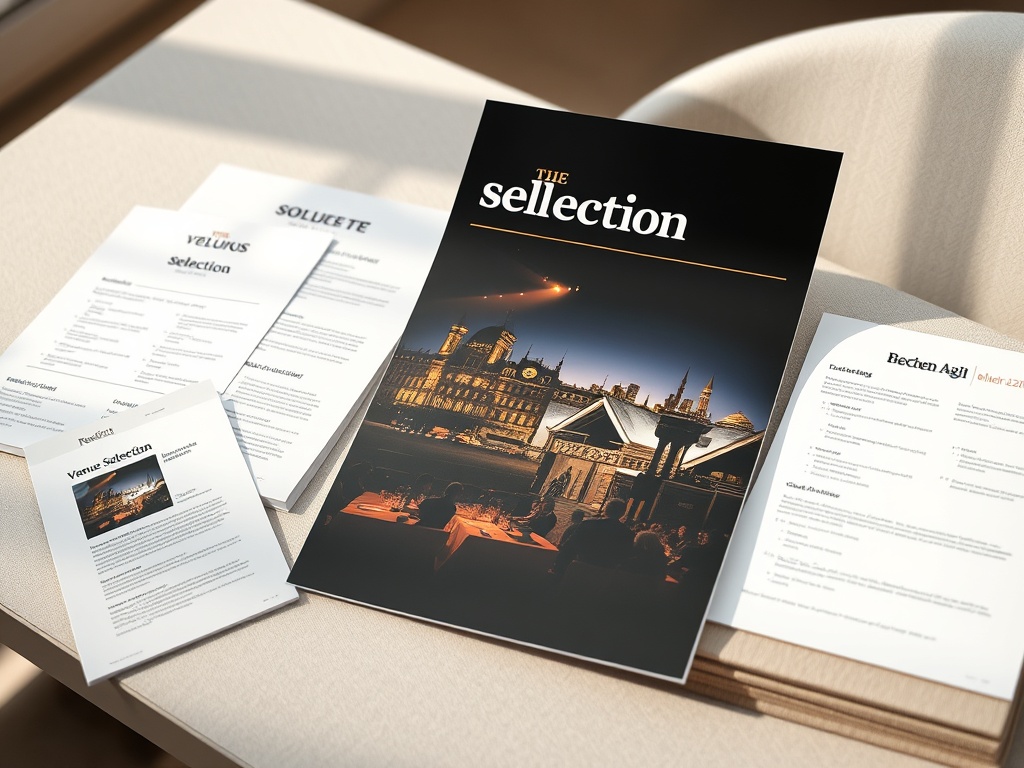
Suggested stack combinations
A lean stack can combine a spreadsheet scorecard, shared document folder, floor-plan notes, and a contract checklist. A more mature stack may include venue sourcing software, budget scenario tools, risk registers, event CRM integration, and project management workflows.
The tool is only useful if the criteria are weighted. A beautiful venue with weak loading access may be wrong for a production-heavy conference. A low-cost hall with poor transit may create hidden attendance friction.
Teams should also compare the decision against related promotion and ticketing choices so the article’s advice does not stay isolated from budget, attendee experience, or reporting needs.
Implementation tips before the site visit
Before visiting any venue, send a requirements brief. Include event purpose, expected audience, program style, accessibility needs, food and beverage assumptions, technical needs, setup schedule, and decision deadline. That helps venues respond with comparable information.
A lightweight review loop is usually enough at first: define the owner, list the evidence, set a decision date, record the assumption, and revisit the result after the event. This turns planning into a repeatable system rather than a one-time scramble.
When the decision affects access, staffing, safety, ticketing, sponsorship, or attendee data, treat the guidance as a planning input rather than a guarantee. Requirements can vary by venue, jurisdiction, ticket tier, supplier, and organizer policy.
Use tools to defend the venue decision
Venue selection improves when the team scores reality, not photos.
Build one shared scorecard before the next inquiry goes out, then update it after every site visit so the final decision is documented and defensible.
This article is for informational and educational purposes only. It does not provide legal, financial, travel, immigration, contractual, accessibility, or safety advice. Verify event details directly with official organizers, venues, vendors, and qualified professionals before making ticketing, travel, sponsorship, or participation decisions.
Questions to ask before choosing software
Before buying or adopting a venue tool, ask what problem it must solve. Does the team need better sourcing, cleaner comparisons, document storage, cost modeling, contract review, or stakeholder approval? One tool may not cover every need well.
Also ask who will maintain the data. Venue information gets stale quickly when contacts change, policies shift, or pricing structures are updated. A strong template with a clear owner can outperform software that no one keeps current.
How to weight venue criteria
A weighted scorecard is more useful than a simple yes-or-no checklist. For a training event, classroom layout and AV reliability may matter most. For a gala, service flow and atmosphere may carry more weight. For a public event, transit and crowd management may dominate the decision.
Keep the scorecard honest by limiting top-priority criteria. If everything receives the highest weight, the tool stops helping. The team should identify the few factors that would genuinely change the decision.
Contract notes that belong in the template
Venue templates should capture commercial terms as well as physical fit. Include deposit schedule, cancellation language, force majeure wording, insurance requirements, overtime charges, food and beverage minimums, supplier restrictions, security responsibilities, and load-in windows.
These notes do not replace legal review. They help planners flag issues earlier so the final conversation with leadership, finance, or legal is focused on the terms that could affect risk or budget.
Maintaining the venue database after selection
Venue knowledge becomes more valuable after the event. Add final costs, staff notes, service issues, attendee feedback, accessibility observations, and load-in lessons to the same record used during selection.
This turns a one-time search into a reusable operating asset. The next planner can see not only which venue was chosen, but why it worked, where it caused friction, and what should be negotiated differently next time.
If the team hosts recurring events, schedule a quarterly review of preferred venues. Update contact names, pricing assumptions, renovation notes, policy changes, and supplier restrictions so future comparisons start from current information.
Shortlist discipline for final review
A good shortlist usually contains a clear favorite, a strong alternative, and a practical backup. If every venue seems equally possible, the criteria are probably too vague or the team has not weighted the decision.
In the final review, compare only the factors that can still change the outcome. Repeating every detail wastes time and can reopen decisions that were already settled by the requirements brief.
Decision record for stakeholders
End the venue process with a short decision record. Include the chosen venue, alternatives considered, scoring summary, budget notes, main risks, and the reason the final option best supports the event purpose.
This record is useful when leadership asks why a more attractive, cheaper, or better-known venue was not selected. It also gives the planning team a clean starting point for next year.