
Galas, dinners, and cultural experience formats work best when hospitality, pacing, protocol, and purpose are designed as one system instead of separate planning tracks.
TL;DR: Strong modern gala planning balances ceremony with comfort. The event needs a clear guest journey, reliable service choreography, accessible participation, culturally aware programming, and a review loop that measures more than applause.
Why formal experience formats need tighter design control
Advanced event teams do not treat a gala as a decorated dinner. They treat it as a timed sequence of arrivals, transitions, meals, program moments, sponsor visibility, and guest care. Each element must support the purpose without making the evening feel crowded.
The format also carries expectations. Guests may expect smooth check-in, seating clarity, thoughtful dietary handling, accessible movement, respectful programming, and a program that justifies the time commitment. These are operational standards, not decorative preferences.
For broader event program thinking, PCMA’s business events resources offers useful context that teams can adapt to their own market, audience, and operating model.
Best-practice comparison by format
| Format | Best use | Operational focus | Watch-out |
|---|---|---|---|
| Gala | Fundraising, recognition, awards | Protocol, meal pacing, sponsor visibility | Overlong speeches |
| Dinner experience | Executive hosting, community relationship building | Seating logic, hospitality, conversation flow | Unclear purpose |
| Cultural program | Arts, heritage, education, community gathering | Context, respect, accessibility, technical needs | Tokenistic programming |
Operational details that protect the guest journey
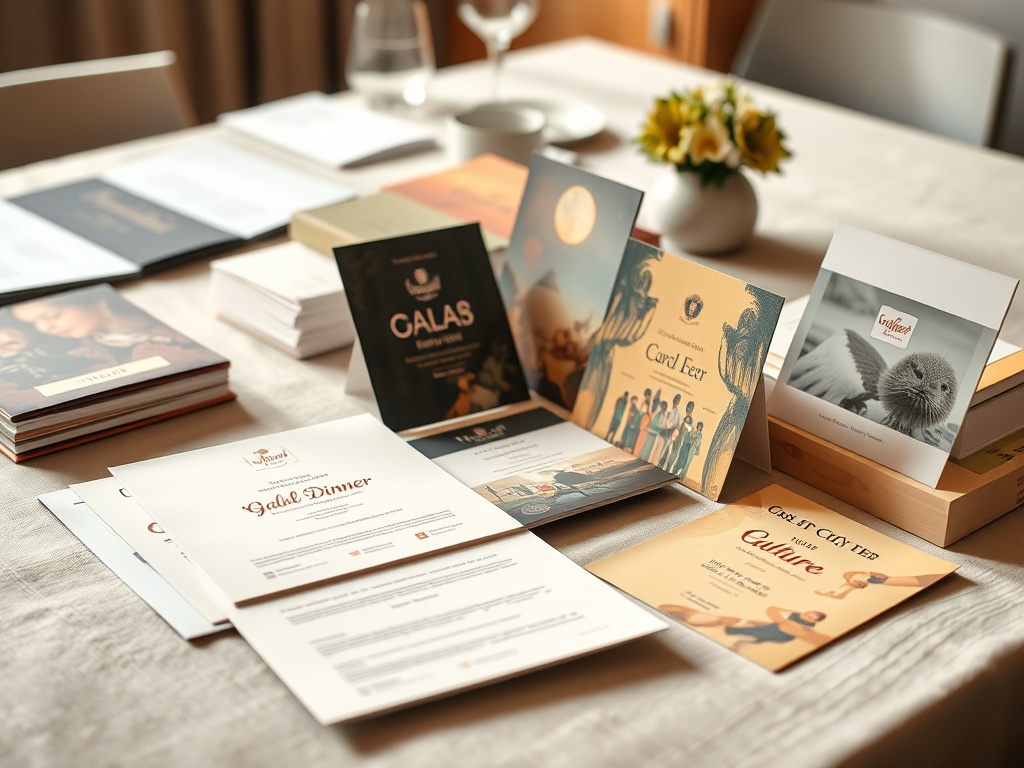
The strongest gala and dinner programs usually begin with a run-of-show that includes emotional pacing, not only task timing. A welcome reception may need space for social warmth. A donor recognition segment may need restraint. A cultural performance may need context, technical support, and respectful framing.
Accessibility should be planned early. The ADA National Network’s temporary-event guidance emphasizes that accessibility planning should be embraced as part of inclusion, not treated as an afterthought.
This is where internal planning documents matter. A team that connects this topic to supporting event operations can reduce friction before creative, registration, or venue decisions become locked.
Metrics that separate polished execution from lucky execution
Post-event review should measure registration source, arrival timing, check-in friction, dietary accommodation issues, seating changes, program overrun, sponsor deliverables, and guest feedback themes. These metrics do not remove the emotional value of the evening; they make that value easier to repeat.
Subjective atmosphere can still be discussed, but it should be labeled as qualitative feedback. Do not claim the event was the best, most elegant, or most successful unless there is a clear source or defined benchmark.
Teams should also compare the decision against related promotion and ticketing choices so the article’s advice does not stay isolated from budget, attendee experience, or reporting needs.
Review loops for future gala quality
A practical review loop includes a debrief within one week, vendor notes within two weeks, sponsor reporting before renewal conversations, and a format decision before the next venue hold. That cadence keeps memory fresh while giving teams enough time to separate urgent complaints from structural lessons.
A lightweight review loop is usually enough at first: define the owner, list the evidence, set a decision date, record the assumption, and revisit the result after the event. This turns planning into a repeatable system rather than a one-time scramble.
When the decision affects access, staffing, safety, ticketing, sponsorship, or attendee data, treat the guidance as a planning input rather than a guarantee. Requirements can vary by venue, jurisdiction, ticket tier, supplier, and organizer policy.
Design the format before the menu
A modern gala succeeds when the room, service, content, and purpose feel aligned.
Before approving the next program, test every major choice against one question: will this make the guest experience clearer, warmer, safer, or more meaningful?
This article is for informational and educational purposes only. It does not provide legal, financial, travel, immigration, contractual, accessibility, or safety advice. Verify event details directly with official organizers, venues, vendors, and qualified professionals before making ticketing, travel, sponsorship, or participation decisions.
Service choreography behind the room experience
Formal events often fail in the transitions, not the headline moments. Check-in, coat storage, seating movement, meal service, restroom access, sponsor recognition, and program resets all need timing notes. Guests may not notice good choreography, but they quickly feel when the room stalls.
For galas and cultural dinners, service teams should know which moments require quiet, which moments can absorb movement, and which guests may need extra assistance. That level of briefing makes hospitality feel composed rather than improvised.
Cultural context and guest respect
Cultural programming needs context, permission, and care. If the event includes heritage elements, artistic performance, community stories, or ceremonial moments, the planning team should involve appropriate advisors or representatives early. This helps prevent decorative use of culture without meaning.
Respect also shows up in small details: pronunciation support, program notes, accessibility for performances, dietary awareness, and time for guests to understand what they are experiencing. These choices are not extras; they are part of the format’s credibility.
The debrief that improves the next dinner
After the event, separate service issues from format issues. A delayed entree is different from a program that is too long. A crowded reception is different from poor wayfinding. This distinction helps the next plan solve the right problem.
Ask vendors, staff, hosts, and selected stakeholders what created friction. Then translate the feedback into decisions for the next event: shorter remarks, earlier seating, clearer table assignments, better room spacing, or a different balance between ceremony and conversation.
Stakeholder alignment before invitations
Formal events often involve boards, donors, artists, executives, sponsors, venue contacts, and community representatives. Each group may define success differently. A short alignment note can prevent conflicting expectations from reaching the guest experience.
That note should define the primary purpose, the guest priority, the program length, the recognition approach, and the parts of the evening that should remain flexible. When stakeholders agree on those points, planners can make faster decisions under pressure.
This also protects tone. A gala can feel generous, ceremonial, intimate, or public-facing, but it should not shift between all of those identities without reason. Consistent intent helps every detail feel connected.
Quality controls on event week
During event week, convert the plan into a control checklist. Confirm the latest run-of-show, floor plan, menu notes, guest list, accessibility needs, vendor contacts, speaker timing, and sponsor cues in one final review.
The goal is not to remove every surprise. It is to make sure surprises have a decision path. When the team knows who can adjust timing, approve guest changes, or solve service issues, the room feels calmer.