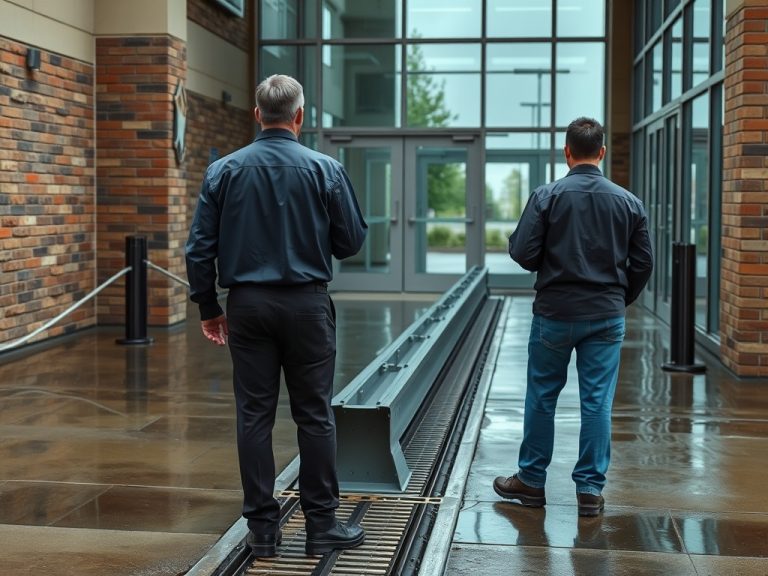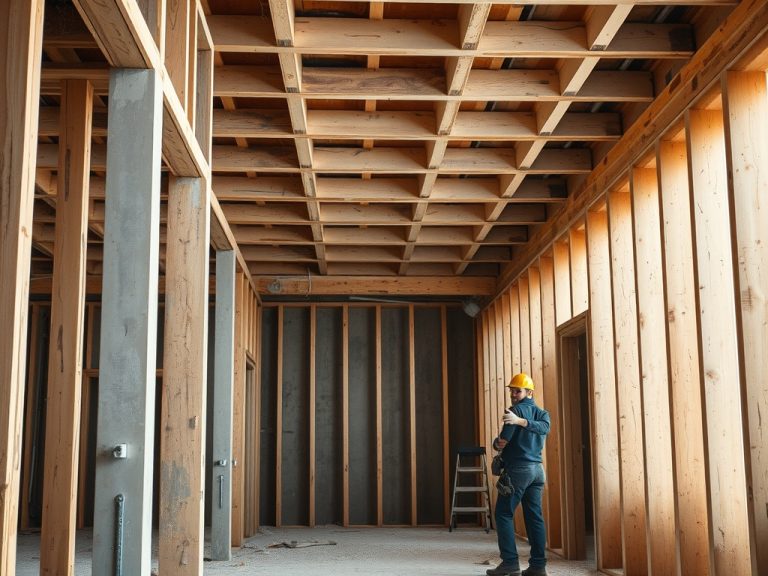
Weather risk should be built into project planning by identifying which weather conditions affect safety, access, materials, sequencing, inspections, and handoffs before the schedule is finalized. A project plan that ignores weather usually turns predictable exposure into avoidable delay.
Weather planning takeaway
- Weather planning is not just a contingency line; it affects methods, sequencing, procurement, temporary protection, and contract communication.
- Use local climate records, forecasts, hazard alerts, and site-specific thresholds to define action points.
- The plan should say who decides when to pause, protect work, resequence, or restart.
Treat weather as a project constraint
Construction teams can use NOAA weather and climate resources to understand historic conditions, forecasts, warnings, and data products. The point is not to predict every event. It is to plan around known exposure: rain, wind, lightning, heat, cold, snow, humidity, flooding, smoke, and freeze-thaw conditions.
Weather affects more than productivity. It can alter concrete placement, roofing, excavation stability, crane operations, coating cure, masonry work, site access, temporary power, material storage, indoor humidity, inspections, and worker safety. A realistic plan identifies weather-sensitive activities and gives the project team rules for protecting them.
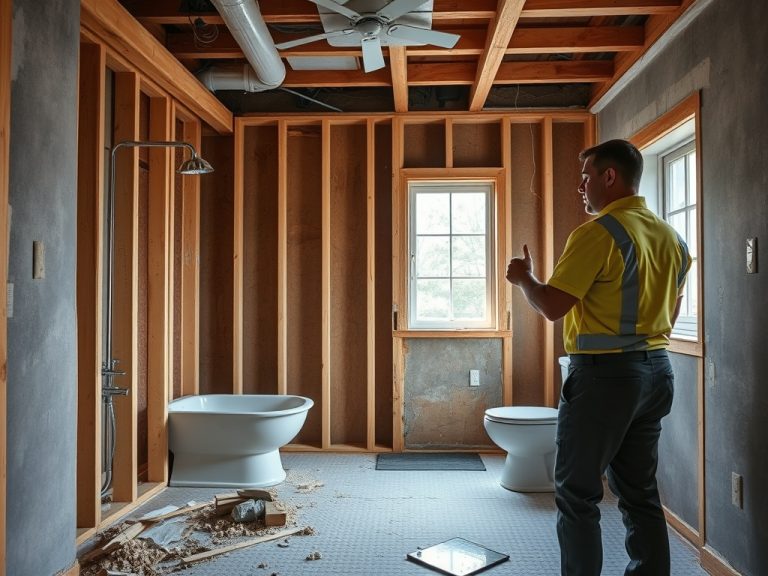
This is especially useful on projects with interior finish expectations. A bathroom remodel, for example, may not seem weather-driven, but inspections, deliveries, exterior wall openings, ventilation, and moisture control can affect the sequence. See Bathroom remodel timelines: what causes delays for a closer look at remodel delays.
The earlier the team discusses weather, the more options it has. Before contracts and procurement are locked, the project can choose different sequences, protection methods, seasonal windows, prefabrication opportunities, or temporary systems. After crews are on site, the same risk may become a delay claim, damaged material, or safety shutdown.
This also gives owners a fairer basis for comparing schedules from different bidders, because weather assumptions are visible instead of implied.
Build weather thresholds into the schedule
A schedule that says "weather permitting" is too vague to manage. Instead, define thresholds. At what wind speed are lifts, cranes, or roof work reviewed or stopped? At what forecast does the team protect excavations? What rainfall triggers erosion-control checks? What temperature or humidity range affects adhesives, coatings, flooring, or concrete work? Which warnings require a formal site shutdown?
National Weather Service lightning guidance for workers highlights higher exposure for outdoor workers in open spaces, near tall objects, or around conductive materials. That type of hazard should not be left to last-minute judgment. It should be built into the daily plan, site orientation, and supervisor authority.
Thresholds also help communication. Owners, contractors, subcontractors, and inspectors can discuss objective triggers instead of debating whether a forecast is serious enough. The plan should name who monitors weather, who has stop-work authority, and how restarts are approved.
Thresholds should be visible to field leaders, not buried in a risk register. A superintendent, foreman, or safety manager should be able to point to the plan and explain what happens when the forecast crosses a defined line. That keeps decision-making consistent when pressure to keep working is high.
Weather exposures and planning controls
The table below shows how weather exposure can translate into specific planning controls. Local requirements and project conditions should guide final decisions.
The controls should be written in everyday field language. A crew does not need a research memo when a storm is approaching; it needs clear instructions about what to cover, lower, brace, move, photograph, inspect, or stop.
| Weather factor | Possible project impact | Planning control |
|---|---|---|
| Rain or flooding | Excavation instability, material damage, access issues, erosion, water intrusion | Drainage plan, pump plan, covered storage, erosion checks, restart inspection |
| Wind | Lift, crane, roof, enclosure, and material-handling hazards | Equipment thresholds, secure storage, temporary bracing, supervisor review |
| Lightning | Outdoor work, metal handling, equipment operation, and open-site exposure | Alert monitoring, shelter plan, pause and restart rules |
| Heat | Worker safety, material handling, curing, productivity, and hydration needs | Heat plan, shaded breaks, adjusted work times, product limits |
| Cold or freeze-thaw | Concrete, masonry, adhesives, coatings, temporary utilities, and access | Temperature controls, protection, product limits, inspection checks |

Protect materials and unfinished work
Many weather delays come from damaged or compromised materials, not only from lost workdays. Stored drywall, insulation, wood, adhesives, flooring, roof materials, equipment, and controls need protection suited to the product and site. Manufacturer instructions, submittals, and quality plans should be part of the weather review.
Temporary protection must be designed, maintained, and removed safely. Tarps, enclosures, temporary roofs, heaters, dehumidifiers, drainage paths, and bracing can all create hazards if improvised. Temporary systems also need inspection after wind, rain, snow, or site changes.
If a project changes structural elements, weather exposure can affect stability during the work stage. The plain-English load-path guidance in Understanding load paths in simple building terms explains why temporary conditions deserve attention, not just the final design.
Moisture-sensitive materials deserve a receiving plan. Deliveries should be checked for damage, stored off wet ground, covered without trapping condensation, and installed only when substrate and environmental conditions are acceptable. Rushing installation after exposure can create quality problems that appear much later.
Contract and documentation issues to settle early
Contracts often address weather delays, notice requirements, and schedule extensions, but teams still need a field process. Who documents conditions? What records are needed? Are photos, forecasts, daily reports, and crew impacts captured consistently? How are resequencing decisions approved?
The owner should understand that weather risk can be reduced but not removed. Building the risk into planning does not mean padding the schedule without explanation. It means identifying weather-sensitive work, choosing better sequences, protecting materials, and communicating early when conditions create real safety or quality concerns.
Weather also affects access equipment. Wind, wet surfaces, soft ground, overhead hazards, and emergency rescue all matter when teams use lifts. The comparison in Scissor lifts vs boom lifts: which is safer for the job can help supervisors ask better equipment questions before weather hits.
Project teams should also separate excusable weather delay from preventable weather damage. A storm may be unavoidable, but leaving materials unprotected, failing to secure openings, or ignoring drainage controls can still create avoidable loss. Clear responsibilities help make that distinction fair.
A project weather-risk framework
- List weather-sensitive activities by trade and phase.
- Define thresholds for wind, lightning, precipitation, heat, cold, humidity, flooding, and air quality where relevant.
- Assign monitoring, decision-making, shutdown, protection, and restart responsibilities.
- Include material storage and temporary protection requirements in submittal review.
- Build inspection points after severe weather or prolonged exposure.
- Track weather impacts in daily reports with objective information and photos when appropriate.
- For longer projects, review the framework at phase changes. Excavation, structure, enclosure, interiors, commissioning, and closeout each have different weather exposures. A plan written for sitework may not protect finished flooring or controls during the interior phase.
- Keep the framework accessible in the field office and digital project files. The easier it is to find, the more likely supervisors will use it during early decisions rather than after a weather event has already caused damage.
Add weather decisions to the project rhythm
OSHA severe weather safety materials remind employers that severe weather can cause injury, property damage, and death. In project planning, that message becomes a management habit: review weather at the same level as safety, procurement, manpower, and inspections.
This article is for informational and educational use only. Weather planning can involve safety law, contract rights, engineering controls, environmental obligations, and jurisdiction-specific requirements. Consult qualified professionals and local authorities for project-specific decisions.
Next step: add a weather-risk agenda item to preconstruction and weekly coordination meetings, then convert the highest-risk activities into written thresholds and action steps.