Neither scissor lifts nor boom lifts are automatically safer for every job. The safer choice is the lift that matches the task, surface, reach, height, overhead hazards, rescue plan, manufacturer limits, and worker training requirements.
Lift-selection takeaway
- Scissor lifts are often suited to vertical access on stable surfaces; boom lifts are often chosen for outreach, up-and-over access, or irregular work positions.
- The main hazards include falls, tip-overs, electrocution, crushing, unstable ground, overhead obstructions, and improper use.
- Selection should start with a site hazard assessment, not habit or rental availability.
Start with the task and the hazard
OSHA aerial lift guidance identifies major hazards such as falls, electrocutions, collapses, and tip-overs. OSHA also notes that scissor lifts are addressed as mobile scaffolds rather than aerial devices, while boom-supported platforms fall under aerial-lift guidance. For a contractor, the key lesson is practical: treat each lift as a distinct tool with distinct limits.
OSHA scissor lift guidance advises employers to assess the worksite to identify hazards before selecting equipment. That assessment should include ground conditions, slope, floor capacity, travel path, overhead utilities, ceiling grids, door widths, wind exposure, traffic, edge hazards, rescue access, and the nature of the work.
A lift that is convenient can still be wrong. A scissor lift may be stable for straight vertical work on a slab but unsuitable when the worker needs to reach over fixed equipment. A boom lift may provide reach but introduce greater swing, tail-swing, crush, or fall-restraint planning needs. The safest option is task-specific.
The assessment should also consider the work posture. Some tasks require both hands, awkward reach, overhead force, or repeated movement. A platform that places workers too far from the task can encourage leaning or climbing, which defeats the safety benefits of using powered access in the first place.
Scissor lift vs boom lift at a glance
The table below is a planning comparison, not a substitute for the manufacturer manual, site hazard assessment, training, or applicable standards.
When neither lift fits cleanly, the answer may be a different access method or a change in work sequence. Scaffolding, mast climbers, ladders, rope access, or prefabrication each have their own controls. The lift comparison should not force a choice between two poor options.
| Decision factor | Scissor lift | Boom lift |
|---|---|---|
| Primary movement | Mostly vertical platform travel | Vertical plus horizontal outreach depending on type |
| Common fit | Ceiling work, lighting, sprinklers, overhead interior tasks on stable surfaces | Exterior work, up-and-over reach, uneven access points, facade or equipment access |
| Work platform | Larger deck on many models, useful for tools within rating | Smaller basket on many models, better reach flexibility |
| Key hazards | Tip-over, falls from misuse, crushing, unstable surface, overhead obstructions | Falls/ejection, electrocution, tip-over, crush hazards, swing or outreach issues |
| Planning focus | Surface, slope, guardrails, pothole protection, overhead clearance | Fall restraint, outreach, ground conditions, power lines, rescue, swing radius |
Training, inspection, and standards matter
The ANSI/SAIA A92 standards overview describes standards intended to support safe design, use, training, inspection, and maintenance of mobile elevating work platforms. Contractors should use the standards, manufacturer instructions, OSHA requirements, and local rules as part of the selection and training process.
Daily pre-use inspection is not paperwork for paperwork’s sake. Tires, outriggers, guardrails, controls, alarms, batteries, hydraulics, emergency lowering systems, platform gates, decals, pothole protection, harness anchor points, and leak conditions can all affect safe use. Any safety-critical defect should be addressed before operation.
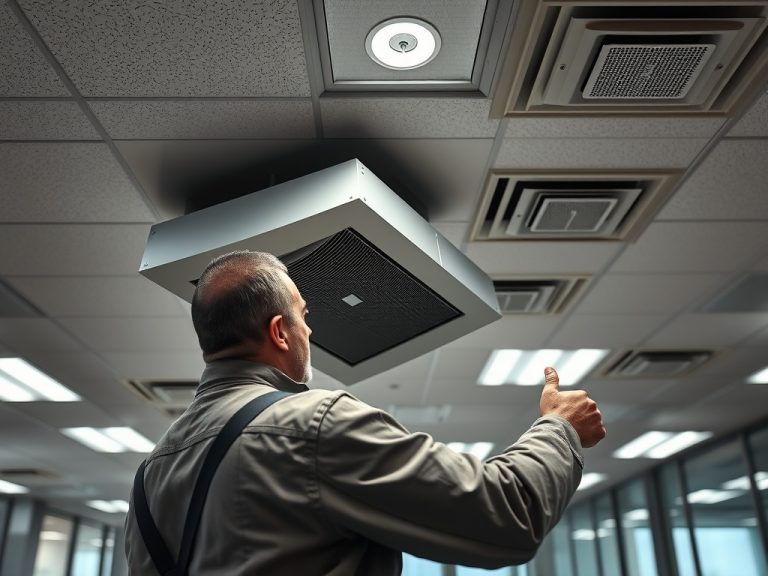
Internal coordination matters too. If lifts are needed for HVAC testing, ceiling work, or system balancing, schedule and access choices should align with the type of overhead work described in How air balancing improves comfort, efficiency, and complaints resolution.
Supervisors should keep inspection findings actionable. If the lift is rejected, the plan should say where it is parked, who is notified, how it is tagged, and what replacement access is allowed. Otherwise, crews may improvise with ladders or another unsuitable machine to keep the schedule moving.
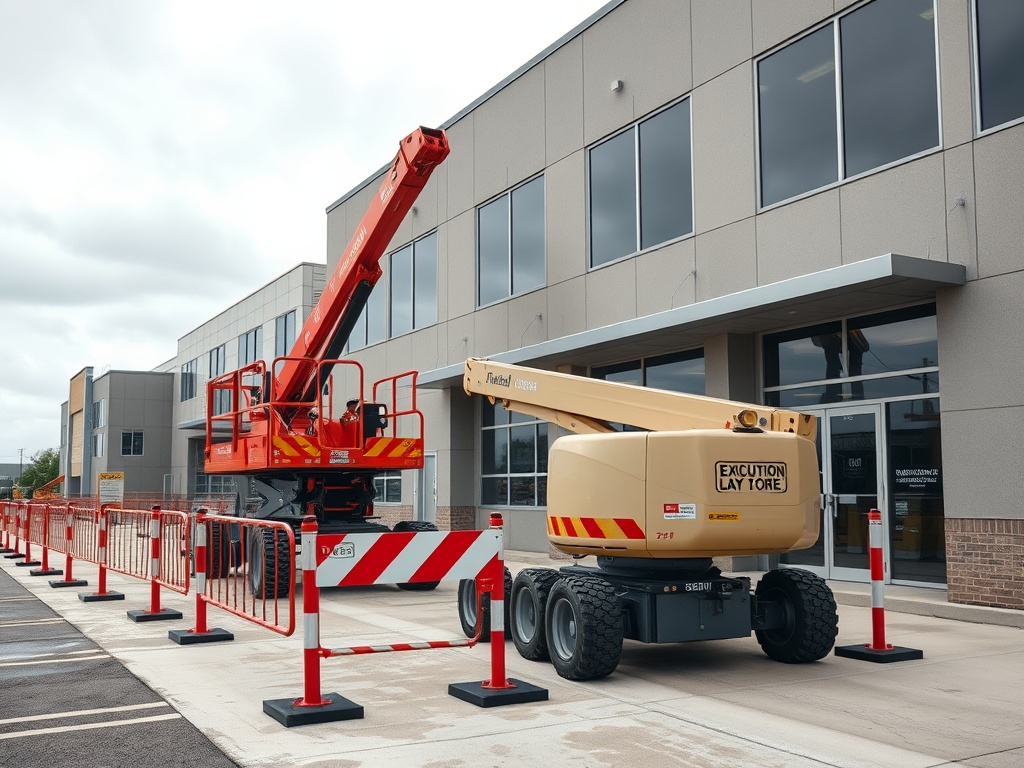
Fall protection and restraint are not one-size-fits-all
IPAF guidance on fall protection in MEWPs strongly recommends restraint systems for boom-type platforms, with lanyards short enough to keep the user within the platform. Requirements and best practices can differ by platform type, jurisdiction, employer policy, and manufacturer instructions, so crews should not copy a fall-protection setup from one machine to another without review.
Scissor lifts typically rely on guardrail systems when used as intended, but that does not mean users can climb rails, use ladders on the platform, stand on toe boards, overload the deck, or drive while elevated in unsafe conditions. Boom lifts add outreach and movement that can increase ejection or crush risks if workers are not trained and restrained correctly.
Rescue planning is part of fall protection. If a worker is injured, controls fail, power is lost, or the platform is blocked, the site needs a realistic retrieval plan. Emergency lowering controls should be known and accessible to trained personnel.
Ground personnel also need awareness. People working below a platform can be exposed to falling objects, traffic conflicts, and movement of the machine. Exclusion zones, tool tethering where required, communication, and housekeeping around the base are part of safe lift use.
Mistakes that make either lift unsafe
One mistake is using the lift as a crane. Platforms are designed for people, tools, and limited materials within rated capacity, not suspended loads or improvised hoisting.
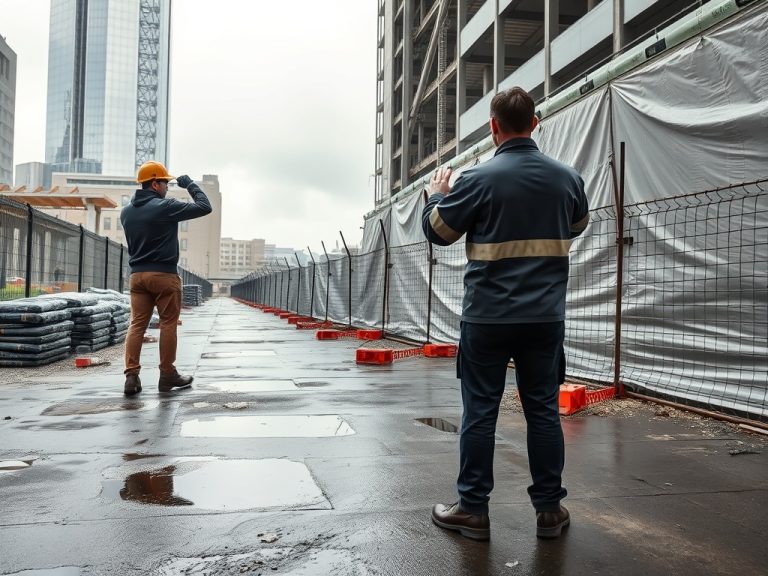
Another mistake is ignoring surface conditions. Soft soil, voids, trenches, floor openings, mats, slabs with unknown capacity, slopes, and wet surfaces can all change stability. Outdoor use also requires attention to wind limits and weather changes.
A third mistake is operating near overhead power lines or energized equipment without proper controls and clearances. Electrocution risk is severe and should be addressed through planning, utility coordination, and trained supervision.
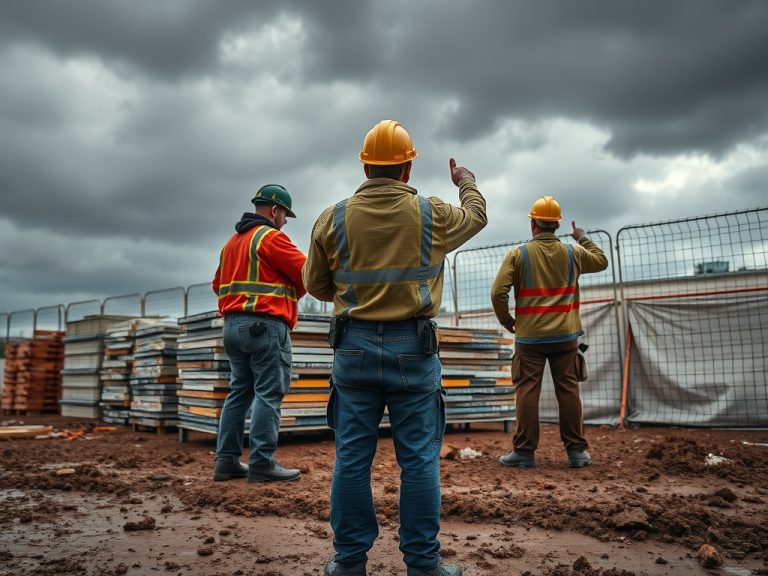
A fourth mistake is leaving lifts unsecured before severe weather. The shutdown checklist in Storm preparation and site shutdown checklists for contractors can help crews include equipment parking, lowering, charging, securing, and access control in storm preparation.
A fifth mistake is rushing closeout work after a milestone. When punch list access is needed after What is substantial completion in construction, the same hazard assessment still applies even if the building is nearly occupied.
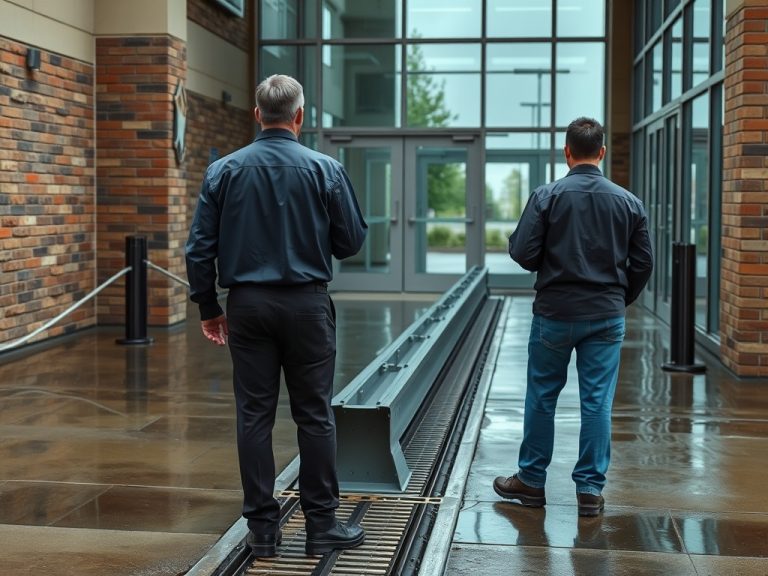
Indoor work has its own issues. Finished floors, embedded utilities, floor openings, door thresholds, sprinkler piping, ceiling grids, and occupied areas can all affect lift choice. Protecting the building should never come at the expense of worker stability or safe access.
A selection checklist for supervisors
- Define the exact work location, height, outreach, tool load, worker count, and required platform size.
- Check floor or ground capacity, slope, openings, traffic, weather exposure, and overhead hazards.
- Confirm machine rating, manufacturer limits, inspection status, battery or fuel needs, and travel path.
- Match fall-protection and restraint requirements to the platform type and site policy.
- Plan exclusion zones, communication, spotters where needed, and emergency rescue.
- Verify operator training and keep the manual available according to applicable requirements.
- Keep the checklist with rental requests and pre-task plans. It gives the office, supervisor, operator, and safety lead a shared basis for selecting equipment before the machine arrives on site.
Choose the lift by hazard, not habit
Scissor lifts and boom lifts are both useful access tools when selected and used correctly. The risk rises when teams choose based on convenience, skip the hazard assessment, exceed limits, or ignore changing site conditions. A safer decision starts by asking what the work requires and what could go wrong at that exact location.
This article is for educational use only and does not replace OSHA compliance, manufacturer instructions, competent-person review, training, engineering, legal, or project-specific safety planning. Requirements vary by jurisdiction, employer policy, equipment model, and site condition.
Next step: before renting or mobilizing a lift, complete a written access-equipment assessment that compares task needs, hazards, training, inspection, and rescue planning.