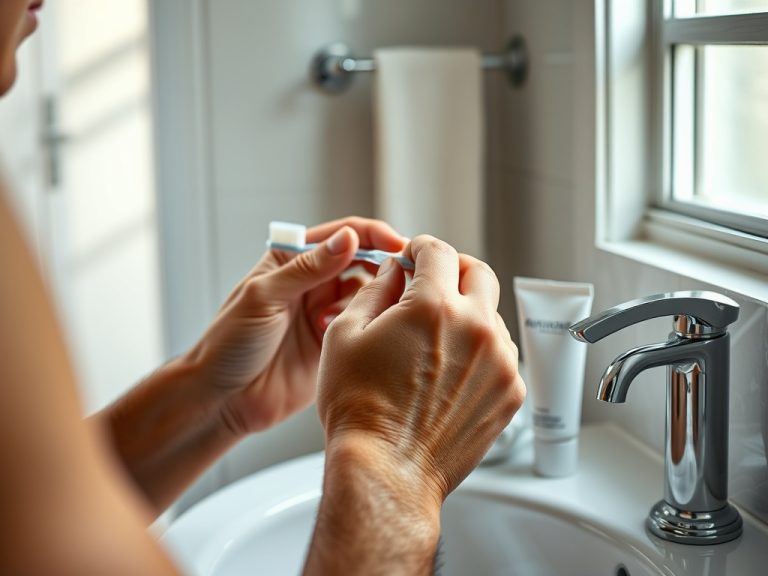
In most cases, routine prevention costs less than waiting for a dental problem to become painful, larger, or harder to restore. The reason is simple: early decay, gum inflammation, and bite wear are often easier to manage before they turn into fractures, infections, missed work, or multi-step treatment.
Key takeaway
Small problems are often cheaper and simpler to manage than advanced ones.
Prevention is not only about cleanings. It includes risk-based exams, home care, fluoride, sealants when appropriate, and catching changes early.
Waiting can increase treatment complexity, number of visits, time away from work, and the chance that a tooth shifts from repairable to difficult to save.
Routine care is usually the right path for symptom-free prevention. New swelling, facial spread, trauma, fever, or pain that disrupts sleep needs urgent dental attention.
Why the math often favors prevention
Preventive care works upstream. A routine exam may identify a cavity before it becomes a larger restoration, a crack before it splits, or gum inflammation before bone loss becomes harder to control. The National Institute of Dental and Craniofacial Research explains that early tooth decay can sometimes be stopped or reversed before a cavity fully forms, while established cavities usually need restorative treatment.
That difference matters because treatment tends to build in layers. A small filling may later become a larger filling, then a crown, and in some cases root canal treatment or extraction if too much tooth structure is lost. Not every tooth follows that path, but waiting usually narrows options rather than expanding them.
If you are trying to reduce long-term treatment surprises, it helps to pair routine visits with a realistic home plan. Our guide to The Best Home Care Routine for Sensitive Teeth is a good example of how day-to-day habits influence what shows up at future appointments.
If you want a practical at-home angle, The Best Home Care Routine for Sensitive Teeth, while The Most Important Questions to Ask Before Any Major Dental Treatment can help you prepare better questions before you decide whether to treat an early problem now or monitor it.
What you are really paying for when you wait
People often compare only the sticker price of today's appointment versus today's treatment plan. That misses the hidden costs of delay: more chair time, temporary restorations, lab work, emergency visits, prescription costs, rescheduling around pain, and the stress of needing faster decisions.
A tooth that hurts on a weekend or right before travel may also force you into short-notice care instead of planned care. That can limit provider choice and compress decision-making. For many patients, the real cost of waiting is not just the dental bill. It is interruption.
The Centers for Disease Control and Prevention notes that untreated cavities can lead to pain and infection. Once infection, fracture, or pulpal involvement enters the picture, the discussion is no longer only about prevention. It becomes about damage control.
What is changing and what is still standard
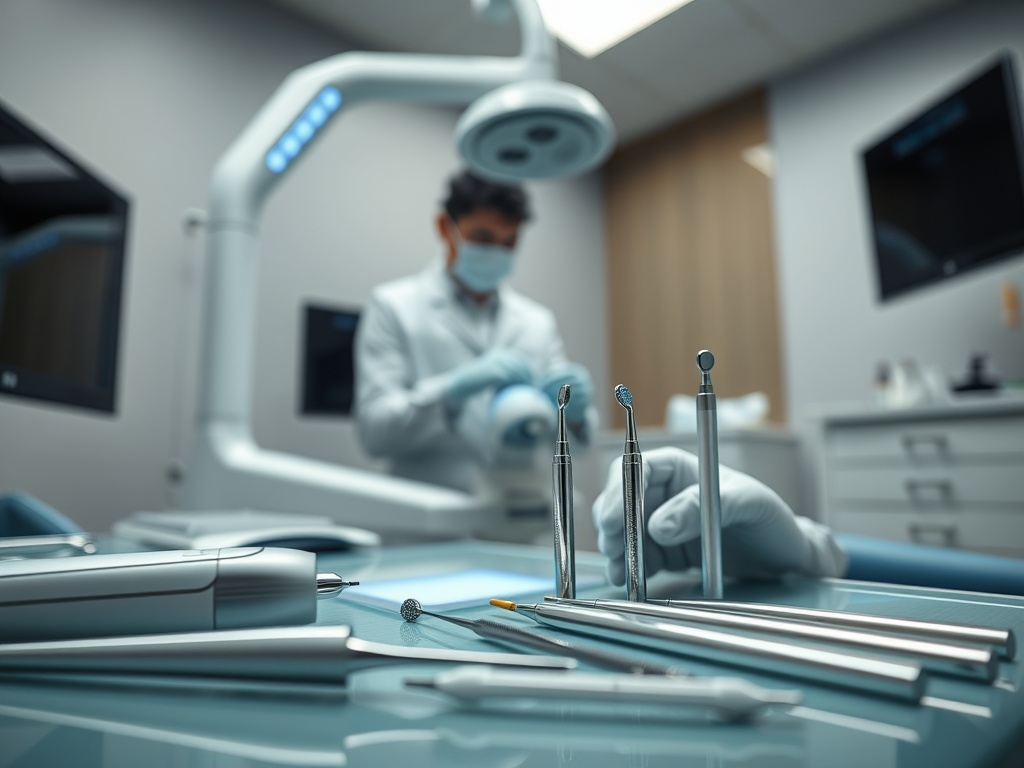
Digital imaging, intraoral scanning, risk-based recall schedules, fluoride varnish, and sealants have improved how dentists identify and manage problems earlier. Some offices can also complete certain restorations more efficiently with chairside technology.
Still, the standard foundation has not changed much: professional exams, individualized cleaning intervals, fluoride exposure, daily plaque control, and timely follow-up when something starts to progress. Technology can make diagnosis or treatment smoother, but it does not replace fundamentals.
Before agreeing to a larger treatment plan, many patients benefit from reviewing the questions in The Most Important Questions to Ask Before Any Major Dental Treatment. A better conversation early can prevent rushed treatment later.
How to make a smarter decision
Ask your dentist to separate what is preventive, what is active disease, and what is optional. Then ask what could happen if you monitor a finding for six months versus treating it now. That frames the decision around risk rather than fear.
Useful questions include:
- Is this change reversible, monitorable, or already restorative?
What signs would mean the tooth or gums are getting worse?
Would waiting make the treatment more invasive or less predictable?
Is there a lower-cost first step that still protects the tooth?
What home-care change matters most for my risk profile?
Prevention is not about buying every add-on. It is about using the least invasive effective step early enough that your future options stay open.
When to book routine care versus urgent care
Book a routine appointment if you want a checkup, have mild sensitivity that comes and goes, notice occasional bleeding when brushing, or want to review a treatment plan before it becomes urgent.
Seek urgent dental care if you have facial swelling, fever, trauma, a knocked-out or loose adult tooth, bleeding that does not settle, severe pain, or pain that keeps you from sleeping. Those problems can progress faster and deserve prompt triage.
Common follow-up questions
Does preventive dentistry only mean twice-yearly cleanings?
No. Preventive care can include risk-based exams, X-rays when clinically appropriate, fluoride, sealants for selected teeth, periodontal maintenance for patients who need it, and at-home habits that lower the chance of more expensive disease progression.
What if I cannot do every recommended service right away?
Ask your dentist to rank the plan by urgency and preventive value. In many cases, a dentist can separate what protects you from near-term worsening from items that can be staged later.
Can waiting ever be reasonable?
Yes. Some findings can be monitored safely for a defined period. The key is knowing what signs would change that plan and when reassessment should happen.
A practical way forward
If you are deciding between postponing care and addressing an early finding now, ask for a risk-based explanation in plain language. A short conversation about what is reversible, what is stable, and what is progressing usually leads to a smarter and calmer choice.