A tooth can still hurt after root canal treatment because the procedure removes tissue from inside the tooth, not the ligaments, bone, and biting forces around it. Sometimes that soreness is expected and temporary. Sometimes it signals that the tooth, surrounding tissues, or the diagnosis itself needs another look.
Decision snapshot
A root canal treats infection or inflammation inside the tooth. It does not make the surrounding area incapable of pain.
Short-term tenderness to biting or pressure can happen after treatment as the tissues around the root settle down.
Ongoing pain may relate to bite issues, missed anatomy, persistent infection, a crack, referred pain, or a non-dental source.
Severe swelling, fever, worsening pain, or a bite that feels too high should be reported promptly.
Why 'no nerve' does not mean 'no pain'
When people hear that the nerve has been removed, they understandably assume the tooth can no longer hurt. In reality, the tooth sits in a living support system made up of periodontal ligament, surrounding bone, and nearby muscles and nerves. Those tissues can still react to inflammation, pressure, or infection.
The American Association of Endodontists notes that some discomfort after root canal treatment can be normal, especially when the tooth was painful or infected before treatment. Biting sensitivity, soreness in the surrounding tissues, and tenderness from local inflammation do not mean the procedure automatically failed.
Normal recovery versus a reason to recheck the tooth
A mild ache that gradually improves is different from pain that stays the same, gets worse, or changes character. A tooth that feels bruised when you bite right after treatment may simply need time or a bite adjustment. A tooth that throbs, swells, or becomes more painful may need reevaluation.
Persisting pain can happen for several reasons:
The bite is hitting that tooth too hard after treatment.
Infection remains or returns around the root tip.
The tooth has a crack that was not fully apparent at first.
Another nearby tooth or sinus source is creating referred pain.
The original pain was not entirely coming from pulpal disease.
Why diagnosis matters more than assumptions
One of the hardest parts of post-root-canal pain is that the symptom alone does not identify the cause. Sharp pain on release may point toward a crack. Tenderness to chewing may suggest bite trauma or apical inflammation. Swelling can raise concern for reinfection. Diffuse discomfort can sometimes involve muscles or adjacent teeth instead.
That is why persistent pain should not be reduced to simple statements such as 'the root canal did not work.' Sometimes retreatment is needed. Sometimes the solution is smaller, such as adjusting the bite or restoring the tooth properly. In other cases, the problem is not the root canal at all.
What patients should ask if pain continues
Bring specifics to the appointment:
Is the pain triggered by pressure, temperature, or spontaneity?
Is the bite high on that tooth?
Is the final restoration complete and sealing the tooth well?
Could there be a crack or another tooth causing similar symptoms?
What signs would make retreatment, surgery, or extraction worth discussing?
These conversations often go better when you use a structured decision checklist like the one in The Most Important Questions to Ask Before Any Major Dental Treatment.
For evidence-based background, see AAE: what to expect after root canal treatment and AAE: tooth pain symptoms and possible causes, which explain the patient-facing clinical concepts behind this topic in more detail.
When to book routine follow-up versus urgent care
Book a follow-up visit if the tooth remains tender beyond the initial healing period, feels high when you bite, or still hurts in a way that is not clearly improving.
Seek urgent dental care if you develop swelling, fever, worsening pain, pus drainage, difficulty opening your mouth, or facial spread. Those symptoms can suggest an infection that should not wait.
If the pain starts outside regular hours and you are not sure how worried to be, Weekend and Holiday Tooth Problems: How to Triage Them can help you think through which symptoms tend to be urgent.
If you are trying to sort out lingering pain, The Most Important Questions to Ask Before Any Major Dental Treatment can help you structure the conversation at your visit, and Weekend and Holiday Tooth Problems: How to Triage Them explains which signs may need faster attention.
What this does and does not mean about prevention
Not every root canal can be avoided. Teeth crack, old restorations fail, and trauma happens. Still, earlier diagnosis often preserves simpler options and may reduce the chance that a tooth reaches the point of severe pulpal disease.
That is one reason Why Preventive Dentistry Costs Less Than Waiting is worth reading alongside this topic. The broader point is not that every painful tooth could have been prevented, but that early evaluation usually gives dentists and patients more room to choose the least invasive workable option.
What happens during a re-evaluation
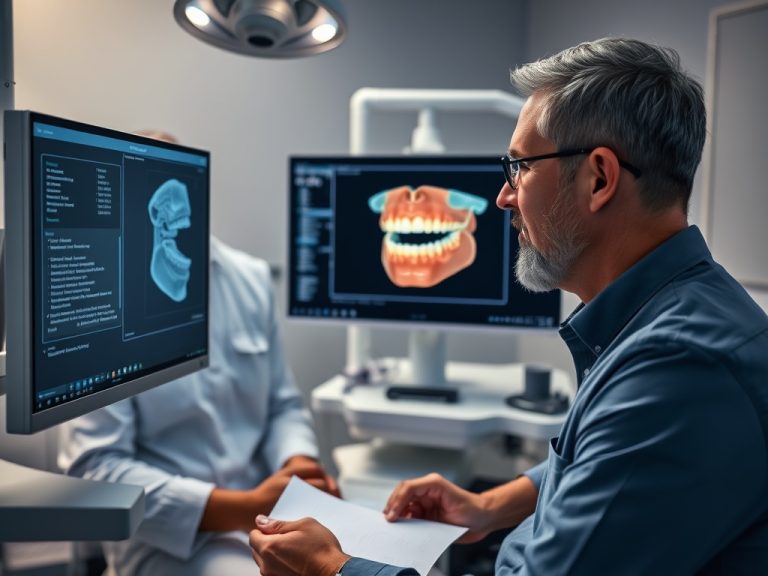
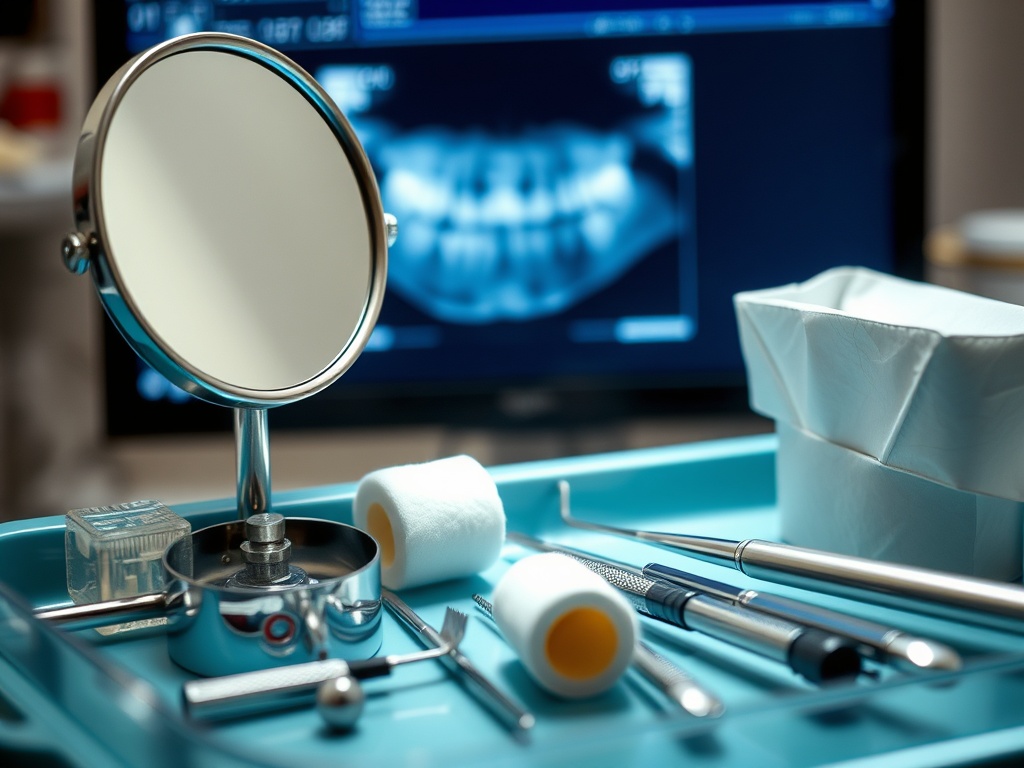
A follow-up exam may include new X-rays, a bite check, percussion testing, and a review of when the pain appears. The dentist may also examine the final restoration, look for crack signs, and compare the treated tooth with nearby teeth so the symptom is not assigned to the wrong source.
That process can feel repetitive, but it is often what turns a vague complaint into an actionable explanation.
Common aftercare questions
Could the final crown or filling affect post-root-canal pain?
Yes. If the tooth is not restored well, or if the bite is off, symptoms can continue even when the canal treatment itself was technically appropriate.
Can nearby muscles or sinus issues mimic root canal pain?
They can. Referred pain is one reason persistent symptoms deserve an exam instead of assumptions.
Is extraction always the next step if pain returns?
No. Depending on the cause, options may include observation, bite adjustment, retreatment, endodontic surgery, or restoration changes before extraction is considered.
When lingering pain needs a second look
If a tooth still hurts after a root canal, do not assume the story is already written. Ask for a focused re-evaluation of the bite, restoration, imaging, and neighboring teeth so the symptom is matched to the right cause.
Image prompt 1:Create a realistic editorial photograph of an endodontic follow-up visit, showing an endodontist using magnification and a mirror to examine a treated back tooth while the patient reclines in profile. The mood should feel calm and journalistic like a Reuters health feature, lit only by ambient clinic lighting with believable textures on gloves, enamel, and stainless steel. Any monitor images or paperwork must have blurred unreadable text. No logos, no direct eye contact, no stock-photo grin, and hands must look anatomically correct.