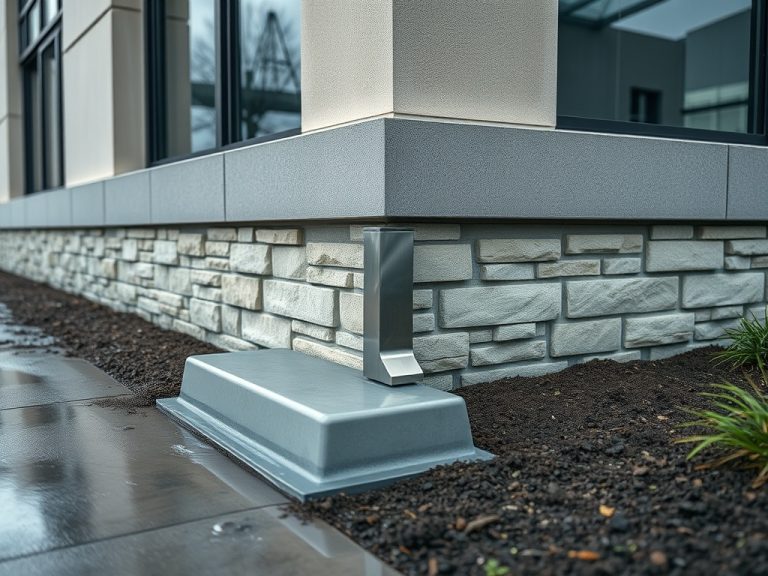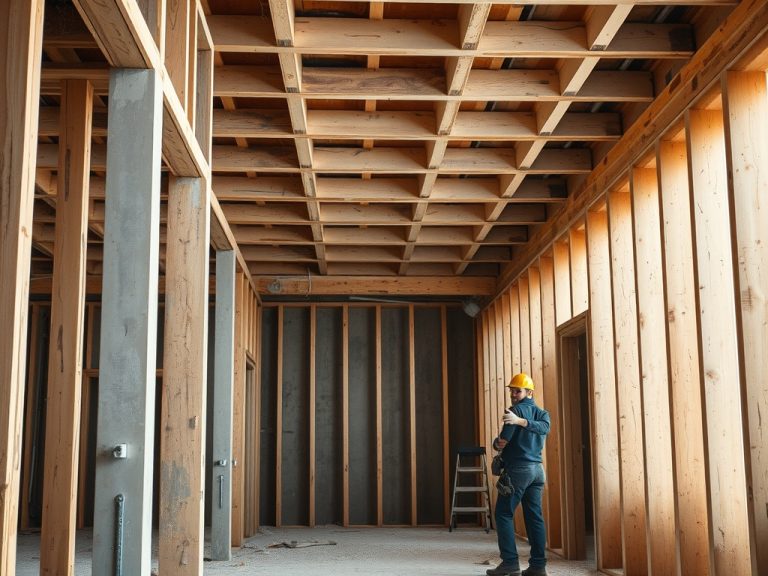
A storm preparation and site shutdown checklist helps contractors protect workers, unfinished work, materials, equipment, and access routes before severe weather reaches the jobsite. The checklist should be specific enough for supervisors to execute quickly, not a generic reminder to “secure the site.”
Storm-readiness takeaway
- Assign weather monitoring, stop-work authority, shutdown tasks, and restart inspections before storm season or major exposure periods.
- Secure loose materials, temporary structures, excavations, utilities, lifts, documents, and environmental controls based on the site’s actual hazards.
- Restart only after hazards, access, power, drainage, structural stability, and worker safety conditions are checked.
Make the checklist job-specific
OSHA severe weather safety materials identify tornadoes, lightning, high winds, and flooding as examples of events that can lead to serious injury, property damage, or death. A construction shutdown checklist takes that warning and turns it into site-specific action: who does what, when, and how the site reopens.
A useful checklist reflects the current phase of work. A site with open trenches has different priorities than a dry-in building with stored finishes. A rooftop project has different risks than a tilt-up job with temporary bracing. The supervisor should update the checklist as the project changes, not leave it frozen from mobilization.
Access equipment should be included. Boom lifts, scissor lifts, telehandlers, ladders, swing stages, and scaffold systems require review before high wind or lightning exposure. The equipment-selection issues in Scissor lifts vs boom lifts: which is safer for the job can help supervisors avoid treating all elevated work platforms the same.
The checklist should be short enough to use but detailed enough to assign responsibility. Long binders often fail during urgent conditions because supervisors do not have time to interpret them. A one-page field checklist supported by more detailed procedures is usually more practical.
Roles and triggers before the forecast turns urgent
Storm planning should start with decision triggers. Which forecast, warning, wind condition, lightning proximity, rainfall expectation, or flood alert moves the site from normal work to preparation? Who has authority to pause work? Who contacts subcontractors, owners, inspectors, suppliers, and security? Who verifies that shutdown tasks are complete?
OSHA and NOAA lightning safety guidance advises employers and workers at outdoor worksites to have lightning safety procedures. Those procedures should include shelter access, communication, and restart rules. Similar thinking applies to wind, flooding, extreme heat, snow, and severe cold.
Communication needs redundancy. Do not rely on one text chain if cell service may fail. The plan should identify backup contacts, assembly locations, emergency numbers, and documentation procedures. Crew members should know where to go, what to secure, and which areas are off limits.
For multi-employer sites, the plan should clarify how subcontractors report completion of their shutdown tasks. A general contractor may secure the main gate, but specialty contractors may need to lower equipment, protect materials, shut down temporary systems, or document unfinished work in their own areas.
Shutdown phases for active jobsites
The table below can be adapted into a site-specific shutdown checklist. The right tasks depend on project scope, contract requirements, local regulations, and competent-person review.
After adapting the table, test it with a simple question: could a backup supervisor use it without a long explanation? If the answer is no, simplify the task language and add responsible roles next to each item.
| Phase | Main objective | Example tasks |
|---|---|---|
| Early monitoring | Avoid surprise decisions | Track forecasts, define triggers, review exposed work, contact key subcontractors |
| Preparation window | Reduce hazards before conditions worsen | Secure materials, protect openings, check drainage, inspect temporary systems |
| Final shutdown | Leave the site stable and documented | Stop high-risk work, de-energize or protect systems, photograph conditions, lock access |
| Event period | Keep people away from hazards | Limit access, monitor alerts remotely where possible, maintain emergency contacts |
| Restart | Confirm safe conditions before work resumes | Inspect access, power, lifts, bracing, excavations, water damage, and controls |

What to secure before leaving the site
Loose materials are an obvious priority, but they are not the only one. Plywood, insulation, formwork, pipe, conduit, doors, roof materials, pallets, fencing, signage, temporary toilets, dumpsters, and small tools can move or create hazards. Materials should be tied down, stored inside, weighted, removed, or placed in designated laydown areas as appropriate.
Temporary systems need careful review. Check temporary power, lighting, heaters, pumps, fuel storage, erosion controls, dewatering lines, traffic control, barricades, edge protection, temporary stairs, bracing, and enclosures. If a temporary measure fails during a storm, it can damage work that was otherwise sound.
Document open conditions before leaving. Photos of secured materials, protected openings, pump placement, temporary roofing, and drainage controls help the team restart with a clearer record. For weather-sensitive scheduling habits, see How weather risk should be built into project planning.
Environmental controls should not be forgotten. Sediment barriers, inlet protection, chemical storage, washout areas, portable fuel, and waste containers can become stormwater problems if they are not checked before heavy rain. Good housekeeping supports both safety and compliance.
Restart inspections are part of the plan
A site is not ready for work just because the storm has passed. Supervisors should inspect access roads, scaffolds, lifts, ladders, excavations, standing water, power, temporary lighting, roof areas, wall bracing, stored materials, fall-protection systems, and environmental controls before crews resume normal tasks.
Electrical hazards deserve special caution around water. So do unstable soils, undermined edges, damaged guardrails, shifted materials, loose panels, and hidden debris. If structural elements, bracing, shoring, or temporary supports are affected, qualified review may be needed before work continues.
Some projects also have occupied-area concerns. A remodel in a home or open facility can be affected by leaks, blocked access, or interior moisture after a storm. The delay patterns in Bathroom remodel timelines: what causes delays show why post-event checks should happen before finishes continue.
Restart meetings should be brief but formal. Before crews scatter, supervisors can review changed conditions, closed areas, damaged controls, revised access paths, and tasks that require reinspection. That pause helps prevent workers from walking into hazards created overnight.
Field checklist for supervisors
- Confirm forecast trigger, shutdown timing, and who has stop-work authority.
- Notify crews, subcontractors, owner contacts, security, deliveries, and inspectors as needed.
- Secure loose materials, temporary fencing, signage, dumpsters, toilets, and laydown areas.
- Protect openings, unfinished roofs, exposed interiors, moisture-sensitive materials, and documents.
- Review cranes, lifts, scaffold, ladders, temporary bracing, excavations, and utility hazards.
- Check pumps, drainage paths, erosion controls, fuel, temporary power, and emergency lighting.
- Photograph secured conditions and record shutdown status in the daily report.
- Complete a restart inspection before normal work resumes.
- Store the completed checklist with daily reports or safety records. A dated record of preparation, shutdown, and restart checks can help the team learn from each event and improve the next version of the plan.
Make the shutdown plan easy to execute
Ready Business provides business preparedness toolkits for hazards such as hurricane, inland flooding, power outage, and severe wind or tornado. Contractors can apply the same preparedness mindset to active sites: define the hazard, assign tasks, protect critical assets, and practice the communication path.
Site-specific planning also supports broader resilience decisions. Commercial owners coordinating recovery, drainage, and continuity upgrades can use Flood resilience upgrades for commercial properties and campuses to connect construction shutdown thinking with long-term property protection.
This content is educational only and does not replace safety, engineering, legal, insurance, or emergency management advice. Storm procedures must align with applicable laws, contract requirements, manufacturer instructions, and competent-person judgment.
Next step: turn this article into a one-page site checklist, assign each item to a role, and review it during pre-task planning when severe weather is possible.