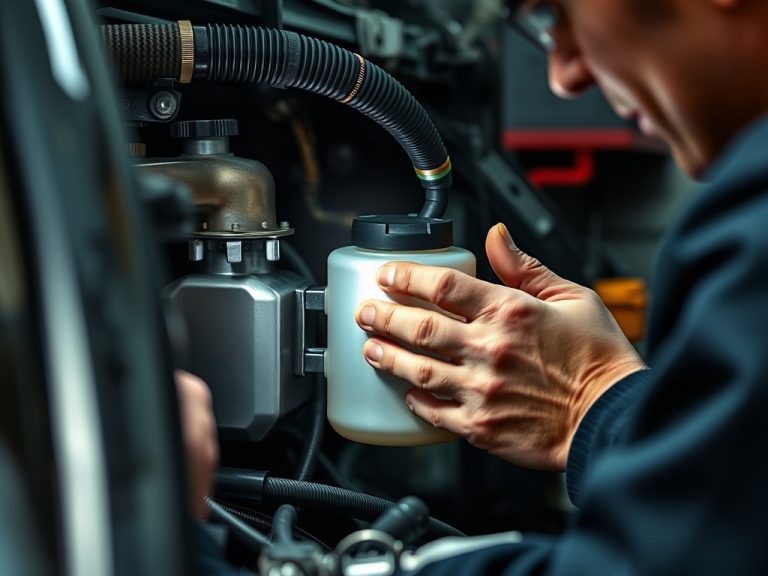
DIY suspension or steering work becomes a safety risk when the job affects how the vehicle supports weight, tracks straight, stops predictably, or keeps the wheels attached. Simple inspection is often reasonable at home, but repairs that require lifting, torque accuracy, alignment, or steering system calibration usually deserve professional equipment.
Safety snapshot before a driveway repair
- Do not work under a vehicle supported only by a jack.
- Any part that changes wheel angle, steering response, or ride height needs a post-repair verification plan.
- If you cannot torque fasteners to the vehicle specification or check alignment afterward, pause before disassembly.
The line between useful DIY and unsafe guesswork
Suspension and steering parts sit in the zone where home repair can save money, but mistakes can become dangerous quickly. A cabin filter installed poorly may rattle. A control arm, tie rod, ball joint, strut, or steering rack installed poorly can affect control of the vehicle. That difference is why the decision should be based on risk, not confidence alone.
A careful owner can visually inspect tires, look for torn rubber boots, listen for clunks, and photograph leaks or uneven wear. Those steps help a shop later, and they may help you decide whether the vehicle should be driven at all. But replacing load-bearing or steering-linked components means you are changing the hardware that holds alignment, absorbs road forces, and transmits driver input.
NHTSA's TireWise guidance is a useful reminder that tire pressure, tread, rotation, balance, and alignment all affect safety. Suspension work is connected to those same outcomes because a small change in geometry can create tire wear, pull, instability, or unpredictable braking behavior.
Jobs that usually stay in the low-risk column
Low-risk DIY work is usually inspection-based or limited to parts that do not carry vehicle weight and do not change alignment. Examples include checking tire tread, recording tire pressures when cold, looking for visible fluid leaks, noting where clunks occur, and comparing ride height from side to side. These tasks are useful because they create clearer information for the next step.
- Photograph uneven tire wear before rotating tires or visiting a shop.
- Look for cracked rubber bushings, torn dust boots, or wet shock bodies without removing major parts.
- Write down when the symptom appears: braking, turning, hitting bumps, backing up, or highway speeds.
- Check the owner's manual before lifting the vehicle, because lift points and procedures vary.
DIY inspection can also help you decide where to go next. If the concern points toward hydraulic or electric steering assist, compare your notes with a basic overview of power steering problems before authorizing parts replacement.
Repairs that deserve extra caution
Replacing sway bar links or shocks may look simple online, but rust, seized fasteners, stored spring energy, and alignment changes can complicate the job. Tie rods, control arms, ball joints, wheel bearings, steering shafts, and strut assemblies carry higher risk because the vehicle may steer or track differently after repair.
| Repair area | Why risk rises | Safer decision point |
|---|---|---|
| Tie rods and steering links | They directly affect toe angle and steering response. | Use a shop if alignment equipment is not available afterward. |
| Control arms and ball joints | They carry load and can separate if installed or torqued incorrectly. | Use professional service if press tools, torque specs, or inspection access are uncertain. |
| Struts and springs | Compressed springs can store dangerous energy. | Avoid DIY spring compression without proper tools and training. |
| Wheel hubs and bearings | Improper torque can affect bearing life and wheel security. | Use exact vehicle procedure and torque values, or have it done professionally. |
| Steering angle or electric assist work | Some systems need calibration or scan-tool procedures. | Use a qualified shop when warning lights or assist messages appear. |
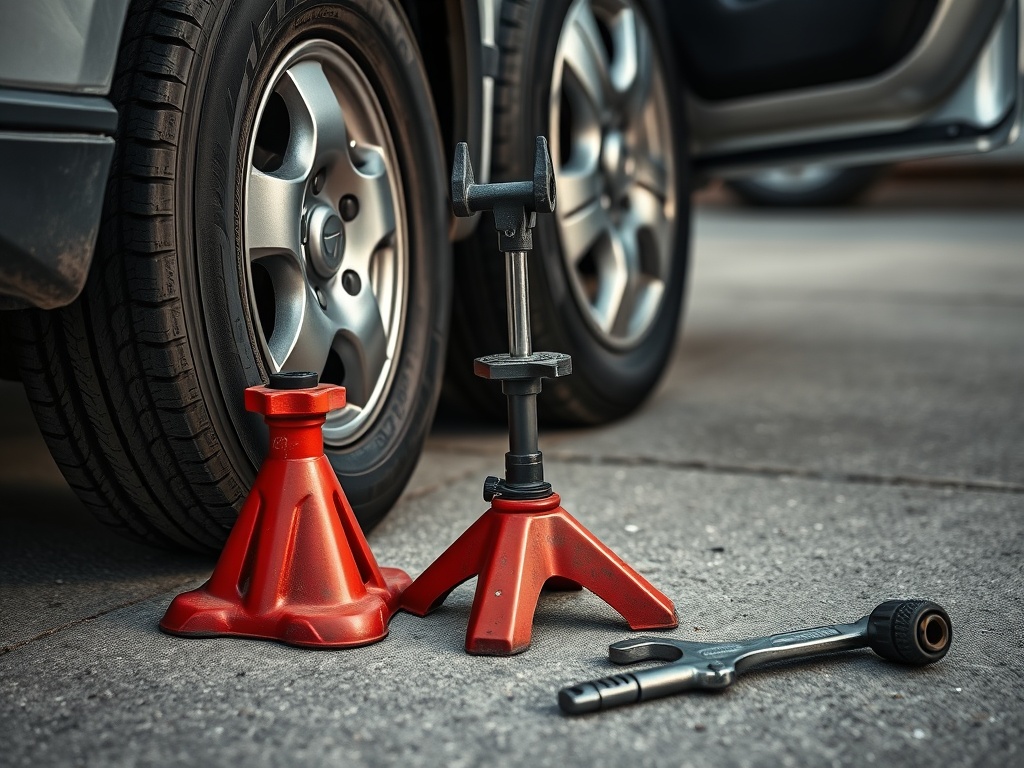
The tool list is part of the safety decision
A socket set is not a suspension repair plan. At minimum, many jobs require safe lifting equipment, wheel chocks, jack stands rated for the load, a calibrated torque wrench, penetrating oil, inspection lighting, and the correct service information. Some jobs also require ball joint separators, press tools, spring compressors, scan tools, or alignment equipment.
Torque is not a suggestion. Wheel hardware, steering fasteners, axle nuts, and suspension bolts often have specific procedures. Under-tightening can allow movement. Over-tightening can stretch fasteners, damage threads, or crush components. If a fastener is torque-to-yield, the service information may call for replacement rather than reuse.
The same logic applies to wheel installation. NHTSA's tire safety guidance reinforces that tires, wheels, pressure, and alignment are part of safe vehicle control. For wheel fasteners, the vehicle owner's manual or service data remains the authority for the exact torque value and sequence.
Warning signs that the job has moved beyond routine service
- The vehicle shifts or rolls while lifted, or the lift point looks rusty or crushed.
- A bolt will not move, rounds off, or shows heavy corrosion.
- A spring, control arm, or steering part is under tension and moves unexpectedly.
- The steering wheel is off-center after the repair.
- The vehicle pulls, wanders, vibrates, or shows new warning lights after reassembly.
- You cannot confirm torque values, torque sequence, or whether a fastener must be replaced.
These are stop signs, not small inconveniences. A shop that handles intermittent warning lights can also check whether a steering-angle or stability-control concern appeared after mechanical work.
How to make a professional repair more useful
Professional service is not just about paying someone else to install parts. A good shop can inspect related components, measure alignment, road-test the vehicle, and document what changed. That documentation matters when symptoms overlap. A clunk may come from a stabilizer link, but uneven tire wear may point to alignment, a bushing, or a bent component.
When choosing a facility, look for training, written estimates, and a clear test plan. The ASE explanation of certification describes how technician credentials can help customers judge technical knowledge, while the FTC's auto repair basics explain written estimates and approval limits. Those are practical protections for suspension and steering work because the final job can expand after teardown.
A shop comparison can also help. If you are deciding between a long-term local relationship and a larger service network, the discussion of family-owned shops versus chain repair centers can help you match the repair complexity to the facility.
A safer DIY decision framework
- Identify the system involved: tire, wheel, suspension, steering assist, or brake-related vibration.
- Decide whether the part carries load, changes alignment, or affects steering input.
- Confirm the lifting method, torque specs, replacement fasteners, and required calibration before removing anything.
- Plan the verification step, including alignment, road test, and warning-light scan if needed.
- Stop if the repair requires tools, data, or safety controls you do not have.
Before you pick up the wrench
DIY work is most useful when it improves information and does not create a new control risk. Inspect, document, and perform simple maintenance with care. For steering, load-bearing suspension parts, spring work, alignment-sensitive repairs, or any post-repair warning light, professional service is usually the smarter safety choice.
The next step is to write down the symptom, when it happens, and what you have already checked. Bring that list to a qualified shop, or use it to decide that the job is still safely within your toolset before the vehicle comes apart.