Power steering problems can come from either hydraulic assist, electric assist, or the steering and suspension parts around them. Hydraulic systems often show fluid leaks, pump noise, or heavy steering, while electric systems often show warning messages, intermittent assist loss, or sensor and module faults.
Steering-system quick guide
- Hydraulic power steering uses fluid pressure from a pump to assist steering effort.
- Electric power steering uses a motor, sensors, and control electronics to provide assist.
- Loss of assist does not always mean total loss of steering, but it can require much more effort, especially at low speeds.
Why steering symptoms should not be ignored
Steering is a control system. Any sudden change in effort, return-to-center feel, noise, vibration, or warning message should be treated seriously. Some issues are maintenance-related, such as low hydraulic fluid. Others are safety-related faults that need immediate inspection.
In many vehicles, manual steering control may remain if assist is lost, but the effort can increase sharply. That can surprise the driver during parking, low-speed turns, or evasive maneuvers. If steering becomes extremely heavy, uneven, or unpredictable, do not keep driving just because the wheels still turn.
Drivers should also check for open safety recalls through the NHTSA recall lookup if a steering warning appears, especially when the issue seems sudden or model-specific.
Hydraulic steering in everyday language
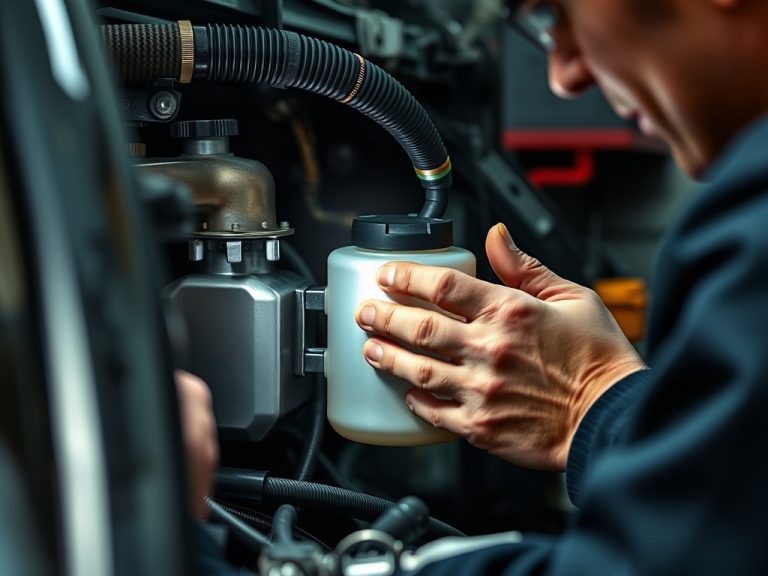
Hydraulic power steering uses a belt-driven or sometimes electric-hydraulic pump to pressurize fluid. That pressure helps move the steering gear when you turn the wheel. Common hydraulic problems include low fluid, leaks, worn hoses, pump noise, contaminated fluid, belt issues, rack leaks, and air in the system.
Symptoms often include whining during turns, reddish or amber fluid near the front of the vehicle, heavy steering at low speed, foamy fluid, or a steering wheel that jerks slightly. A low reservoir is not the diagnosis by itself. The system lost fluid somewhere, or it was filled incorrectly after service.
Fluid quality matters. If a shop suspects the wrong fluid or contamination, the article on cross-contamination in vehicle fluids explains why color and smell are only starting clues.
Electric steering in everyday language
Electric power steering, often called EPS, uses an electric motor and sensors to assist steering. Depending on the vehicle, the motor may act on the column, rack, or gear. EPS reduces the need for hydraulic fluid and belts, but it adds electronics, software, torque sensors, position sensors, wiring, grounds, and module communication.
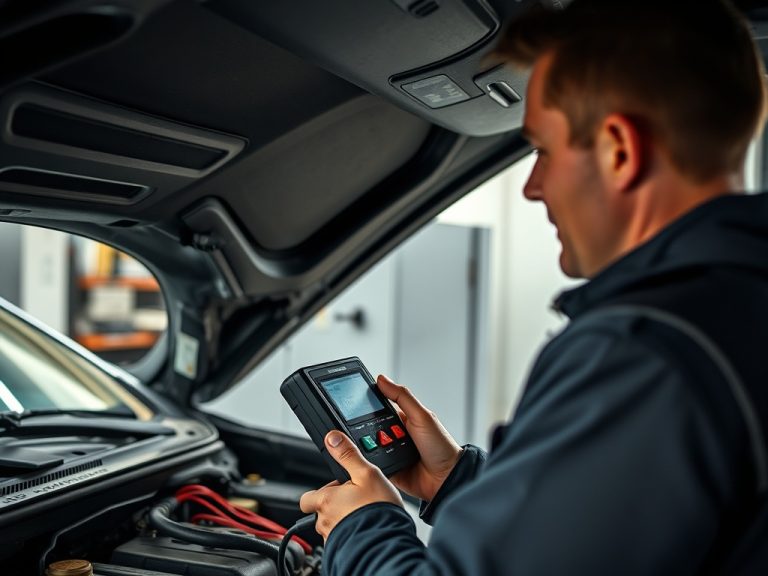
EPS symptoms may include a steering warning light, assist that disappears and returns, heavier steering after restart, uneven assist left to right, noise from the column or rack, or diagnostic codes. Since EPS depends on stable voltage, weak batteries and charging problems can create or worsen steering symptoms.
If steering warnings appear with hard starting or repeated clicking, the starting-system discussion in why your car clicks but won't start can help you understand why voltage history matters.
Hydraulic versus electric symptoms compared
| Symptom | Hydraulic system direction | Electric system direction |
|---|---|---|
| Whining while turning | Often low fluid, air, pump wear, or hose restriction. | Less typical, unless mechanical steering parts are noisy. |
| Steering warning message | Less common unless monitored by a related system. | Common with EPS module, sensor, voltage, or communication faults. |
| Fluid under vehicle | Possible hose, pump, rack, or cooler leak. | EPS usually has no steering fluid, though other fluids may leak nearby. |
| Heavy at parking speeds | Low assist pressure, belt, pump, or rack concern. | Assist motor, torque sensor, voltage, module, or rack concern. |
| Intermittent assist | Possible fluid aeration, belt slip, or pressure issue. | Common with wiring, voltage, module, sensor, or thermal protection patterns. |

What shops check before replacing expensive parts
A steering diagnosis should begin with the basics: tires, alignment clues, suspension looseness, fluid level if hydraulic, belt condition if applicable, battery voltage, charging system, steering codes, and a visual inspection. A steering rack or pump can be expensive, so the recommendation should be supported by test results. Tires and alignment should not be skipped because a pull, shimmy, or wander can feel like a steering-assist fault when the assist system is working normally. A careful inspection keeps the shop from replacing an expensive electronic rack when the real concern is a worn joint, uneven tire, or previous alignment change.
For hydraulic systems, the shop may check fluid level, leaks, pressure, belt condition, noise location, and rack movement. For electric systems, it may scan steering and body modules, check battery and charging performance, inspect connectors and grounds, and follow manufacturer diagnostic procedures.
Because steering symptoms can overlap with suspension wear, be cautious about driveway repairs that affect wheel angle or control arms. The guide to DIY suspension or steering risk explains where home inspection becomes unsafe repair.
When to stop driving and seek help
- Steering assist disappears suddenly and does not return.
- The wheel becomes very hard to turn at low speed.
- The vehicle pulls sharply or will not track straight.
- You hear grinding, clunking, or binding while turning.
- A steering warning appears with battery, brake, or stability-control warnings.
- Fluid is visibly leaking and steering noise is getting worse.
If steering changes occur with brake concerns, prioritize safety. A driver who also notices soft brakes or a pedal that goes to the floor should not try to drive to a shop.
How to describe steering symptoms to a technician
Precise symptom notes help avoid guesswork. Tell the shop whether the problem happens cold or hot, at parking speeds or highway speeds, turning left or right, during braking, after rain, after a pothole, or after a battery event. Mention recent tires, alignment, suspension work, collision repair, or fluid top-offs.
Ask for the diagnostic path. For hydraulic systems, what proved the pump, rack, hose, or fluid condition? For EPS, what code, voltage test, wiring check, or calibration procedure supports the recommendation? A shop should be comfortable explaining what it ruled out.
Match the symptom to the system first
Power steering problems are easier to understand once you know which assist type your vehicle uses. Hydraulic systems usually leave fluid, noise, or pressure clues. Electric systems often leave warning messages, codes, voltage clues, or communication faults.
Your next step is to stop driving if steering control feels unpredictable, record when the symptom appears, check for recalls, and ask the shop to prove whether the problem is hydraulic, electric, or mechanical before replacing parts. Clear notes about speed, road surface, and warning messages make that proof easier.