If your brake pedal suddenly feels soft or goes to the floor, treat it as a safety emergency and do not keep driving. Slow down carefully, move out of traffic, use the parking brake only with control if needed, and arrange a tow or professional inspection before the vehicle is driven again.
Brake-pedal emergency summary
- A soft or sinking pedal can mean hydraulic pressure is not being created or held.
- Adding brake fluid may not fix the leak or failure that caused the pedal change.
- The safest next step is to stop driving and have the brake system inspected where the vehicle sits or after towing.
Why pedal feel matters so much
A normal brake pedal should feel predictable. It may not feel identical across every vehicle, but it should not suddenly become spongy, sink slowly while you hold pressure, or drop near the floor. Those symptoms can mean air in the hydraulic system, a fluid leak, a failing master cylinder, a damaged hose or line, or a problem in the ABS hydraulic unit.
Brakes rely on hydraulic pressure. When the system cannot build or hold that pressure, pedal travel can increase and stopping distance can become unpredictable. That is why this symptom should be handled differently from a squeak, light vibration, or routine pad-wear concern.
Because brake-related defects can become recalls on certain vehicles, drivers should also use the NHTSA recall lookup tool for their VIN if the symptom appears suddenly or is linked to a warning light. A recall check does not replace diagnosis, but it helps identify known safety remedies.
What to do in the moment
- Stay calm and keep both hands on the wheel.
- Ease off the accelerator and begin slowing with gentle, steady brake pressure if any braking remains.
- Shift to a lower gear if safe and appropriate for the vehicle, allowing engine braking to help slow the car.
- Turn on hazard lights and move toward a safe shoulder or parking area.
- Use the parking brake carefully and gradually only if the service brakes are not slowing the vehicle enough, because abrupt application can cause loss of control.
- Once stopped, do not continue driving. Call for roadside help, a tow, or a mobile inspection.
Do not pump the brakes aggressively unless you are trying to regain temporary pedal firmness in a controlled emergency. If the pedal returns briefly and then sinks again, the vehicle still needs immediate inspection.
Soft, spongy, low, or sinking: what shops listen for
| Pedal symptom | What it may indicate | Why it needs inspection |
|---|---|---|
| Spongy pedal | Air in the hydraulic system, degraded fluid condition, or hose expansion. | Air compresses, so pedal travel increases and braking can feel inconsistent. |
| Pedal slowly sinks while held | Possible internal master-cylinder bypass or leak path. | Pressure may not hold during a long stop. |
| Pedal drops suddenly to the floor | Severe fluid leak, line failure, hose failure, or major hydraulic fault. | Stopping ability may be seriously reduced. |
| Brake warning light with low fluid | Leak or excessive pad wear may have lowered reservoir level. | Topping off fluid does not prove the system is safe. |
| Soft pedal after recent brake work | Air may remain in the system or a component may be installed incorrectly. | The repair needs verification before driving. |
Why adding fluid is not a complete fix
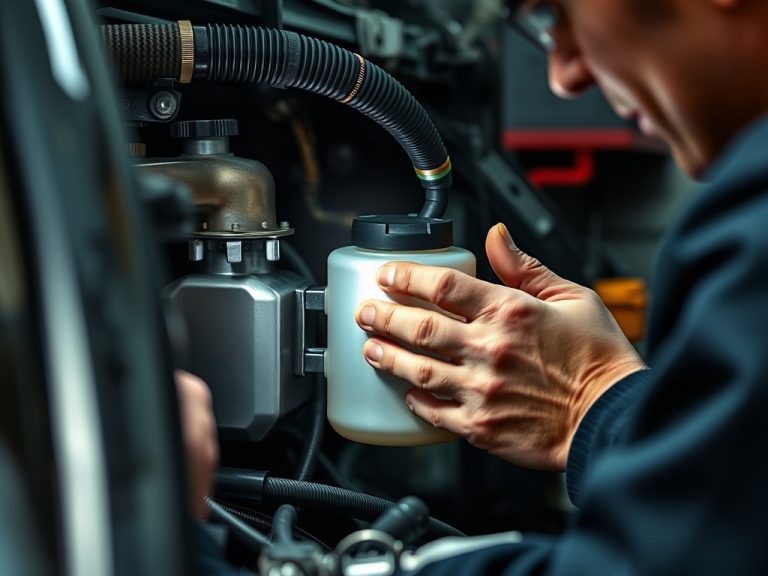
Low brake fluid is a clue, not an answer. Brake fluid usually drops as pads wear, but a sudden drop or warning light can point to a leak. If fluid has escaped from a line, hose, caliper, wheel cylinder, or master cylinder, topping off the reservoir does not restore the failed part.
There is also a contamination risk. Brake systems require the correct fluid type for the vehicle. Using the wrong fluid or allowing dirt, water, or petroleum products into the reservoir can cause expensive damage. If the cap or reservoir is dirty, let a technician handle the inspection rather than opening it on the roadside.
A shop that also understands cross-contamination in vehicle fluids can help determine whether the brake fluid is simply low, degraded, or contaminated by the wrong product.
What a professional brake inspection should include
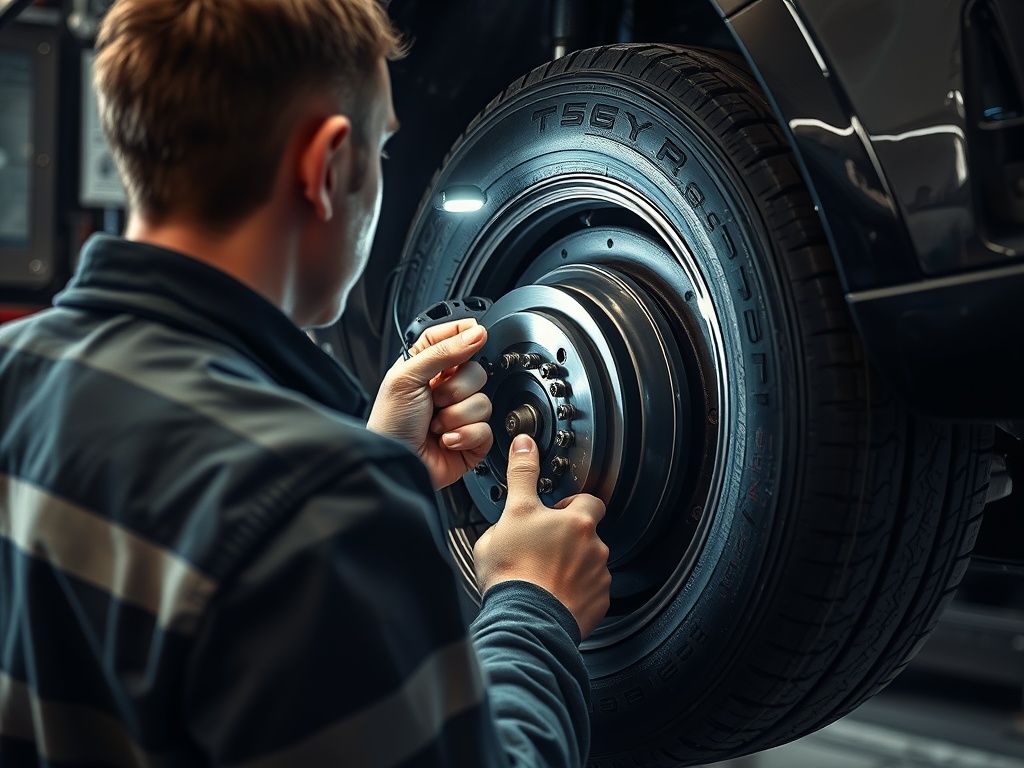
A brake inspection after a soft pedal should do more than glance at the pads. The technician may check reservoir level, fluid condition, visible leaks, master cylinder, brake booster area, calipers, wheel cylinders, flexible hoses, metal lines, ABS hydraulic unit, and the results of any recent work. The system may need proper bleeding after a component replacement.
The shop may also road-test the vehicle only after confirming it is safe to move. In some cases, a lift inspection or tow-in evaluation comes first. If the pedal goes to the floor, it is reasonable to ask the shop not to road-test until the hydraulic fault is identified.
If the vehicle recently had suspension, steering, tire, or brake work, mention it. Work near wheel wells can disturb lines, hoses, sensors, or routing. This is one reason DIY suspension or steering work should be treated cautiously when brake components are nearby.
Questions to ask before approving repairs
- Where is the pressure being lost or why is the pedal travel excessive?
- Is there an external leak, internal bypass, air in the system, or a component failure?
- What fluid type is required for this vehicle?
- Will the system be bled using the procedure required for the ABS system?
- Will the vehicle be road-tested only after pedal feel is restored?
- Are there open recalls or manufacturer communications related to the brake concern?
The FTC's auto repair basics are helpful here because a soft-pedal concern can expand from diagnosis to a repair estimate quickly. Ask for written authorization steps and a clear explanation if more parts are discovered after teardown.
When the vehicle should not move under its own power
Do not drive if the pedal reaches the floor, the brake warning light is on with low fluid, you see fluid near a wheel, the vehicle needs much longer to stop, or the pedal feels worse after pumping. A short drive to the shop may seem convenient, but the failure can worsen suddenly.
Also avoid driving if the soft pedal appears with other safety symptoms such as heavy steering, unstable handling, or a no-start condition after repeated attempts. Electrical or hydraulic symptoms can overlap, so a driver who has also dealt with a car that clicks but won't start should share that history with the shop.
Treat pedal feel as a safety decision
Brake pedal feel is one of the few symptoms where the safest advice is simple: stop driving until the cause is known. A soft or sinking pedal can move from warning sign to loss of control without much notice.
Your next step is to get the vehicle off the road, document the symptom, check for open recalls by VIN, and authorize a brake-system inspection that identifies the pressure loss before parts are replaced.