Thermostat replacement is often misdiagnosed because overheating, poor cabin heat, and temperature-gauge swings can come from several cooling-system faults. The thermostat may be the cause, but a good shop proves that before replacing it.
Thermostat myth-check in plain English
- A thermostat is a control valve, not the whole cooling system.
- Overheating can come from low coolant, air pockets, a weak water pump, radiator issues, fans, hoses, head-gasket problems, or sensor faults.
- Replacing the thermostat without checking the system can hide the real cause until the vehicle overheats again.
What the thermostat actually does
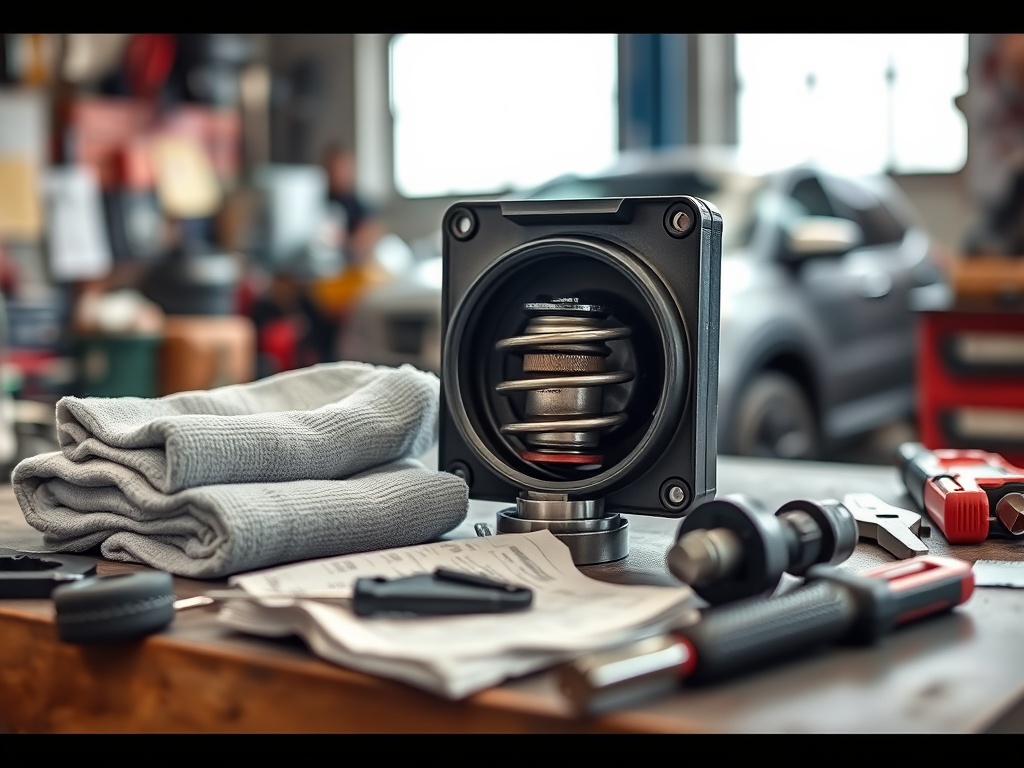
The thermostat helps control coolant flow based on engine temperature. When the engine is cold, it helps the engine warm up. When the engine reaches operating temperature, it opens so coolant can circulate through the radiator and shed heat. A thermostat stuck closed can restrict coolant flow and cause overheating. A thermostat stuck open can prevent the engine from warming normally and can reduce cabin heat.
That sounds simple, but the cooling system around it is not. Coolant level, mixture, flow, pressure, radiator condition, fan operation, belt condition, water pump performance, and sensor accuracy all affect the same symptoms. AAA's guide to car overheating causes explains that coolant issues, thermostat failure, radiator faults, water-pump problems, hoses, belts, head gaskets, and low oil can all be involved.
That is why the thermostat should be treated as one possible cause, not the default answer every time the temperature gauge rises.
Myths that lead owners toward the wrong repair
| Myth | More accurate view | What to ask the shop |
|---|---|---|
| If the car overheats, replace the thermostat first. | A stuck thermostat is possible, but low coolant, leaks, fans, radiator flow, and water-pump issues can look similar. | What test shows the thermostat is not opening or is opening at the wrong time? |
| A cooler thermostat fixes overheating. | Changing temperature rating can create control problems if it conflicts with factory design. | Does the replacement match the vehicle specification? |
| No cabin heat always means a bad thermostat. | Low coolant, air in the heater core, blend-door issues, clogged heater core, or water-pump problems can also reduce heat. | Was coolant level, air, and heater-core flow checked? |
| A thermostat should be replaced on a simple schedule. | Many thermostats are replaced after failure or during related cooling-system repairs, not just by habit. | Is there a service reason or only age-based guessing? |
| A code names the failed part. | Codes often point to performance, temperature range, or sensor data, not a guaranteed part. | What data supports replacing the thermostat? |
Why low coolant changes the diagnosis
Low coolant can cause overheating, weak heater output, gurgling noises, temperature swings, and air pockets. If coolant is low, the key question is why. Cooling systems are designed to stay sealed. A low level can point to an external leak, internal leak, pressure-cap issue, cracked reservoir, hose problem, radiator leak, water-pump leak, heater-core issue, or previous incomplete service.
Adding coolant without finding the cause can buy time, but it can also delay the repair. If the coolant level drops again, the shop should pressure-test the system where appropriate and inspect for leaks before calling the thermostat bad.
Cross-fluid clues matter as well. Milky oil, oily coolant, or unexplained fluid level changes can point toward a more serious failure. A shop that knows how to check cross-contamination in vehicle fluids can help separate a simple thermostat concern from a leak path between systems.
How shops test before replacing parts
A practical diagnostic process may include checking coolant level when safe, inspecting for leaks, verifying fan operation, reading temperature data from the scan tool, comparing sensor readings, checking radiator and hose temperature changes, pressure-testing the cooling system, and verifying heater performance. The exact process varies by vehicle.
Some systems have electronically controlled thermostats, complex bleeding procedures, or coolant valves that require scan-tool commands. On those vehicles, a thermostat replacement done without the proper fill and bleed procedure can create air pockets and repeat symptoms. A useful estimate should state which coolant will be used, whether the thermostat housing or seal is included, and how the system will be checked after warm-up. Those details help separate a complete cooling-system repair from a quick parts swap.
If the concern began after a no-start, battery disconnect, or electrical repair, mention that history. Cooling fans and temperature readings can be affected by electrical faults, and the same vehicle history that explains why a car clicks but won't start may help the shop avoid a narrow cooling-system guess.
When thermostat replacement makes sense
- Temperature data and hose behavior support a stuck-closed or stuck-open thermostat.
- A relevant code is backed by scan data and cooling-system checks.
- The thermostat housing is leaking or damaged.
- The thermostat is being replaced as part of a related service where access and symptoms support it.
- The replacement part matches the vehicle specification and the system will be bled correctly.
Thermostat replacement should usually include the right coolant, seals or housing parts as required, and a post-repair warm-up check. A shop should verify that the cooling fan cycles as expected, the heater works, the temperature stabilizes, and no leaks appear.
Mistakes that can create repeat overheating
- Using the wrong thermostat temperature rating or low-quality housing assembly.
- Skipping the bleed procedure and leaving air trapped in the system.
- Ignoring a radiator cap or reservoir cap that cannot hold pressure.
- Assuming the radiator is clear because it does not leak externally.
- Replacing the thermostat while ignoring a coolant loss pattern.
- Continuing to drive after the temperature gauge rises into the danger range.
If overheating happens under towing, traffic, or mountain driving, the issue may overlap with heat-management services outside the engine cooling system. For example, vehicles that tow may also need attention to transmission cooler service because transmission heat and engine cooling load can be connected on some designs.
Replace the cause, not the easiest part
The thermostat is a common suspect because it is familiar and sometimes accessible. Familiar does not mean proven. The smarter approach is to inspect the whole cooling system, confirm the symptom, and replace the thermostat only when the evidence points there.
Your next step is to document when the temperature rises, whether cabin heat changes, whether coolant level drops, and whether the problem happens at idle, highway speed, or under load. That information helps a shop find the cause instead of repeating the myth.