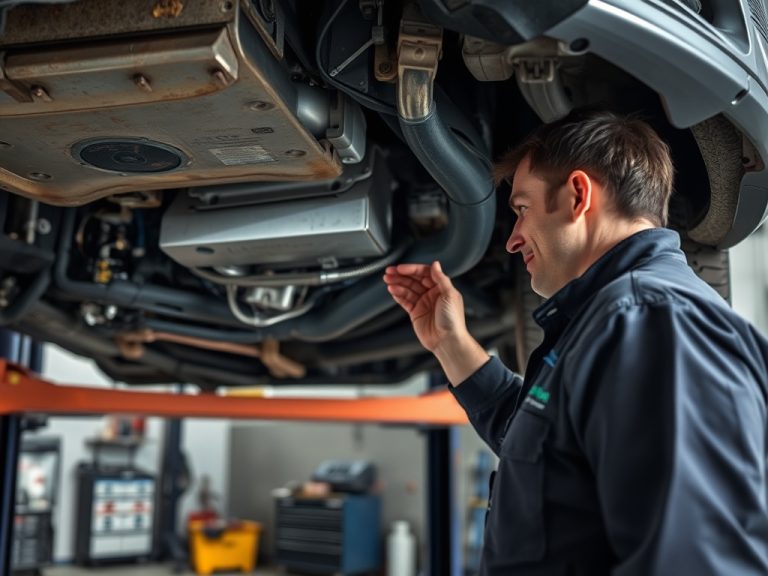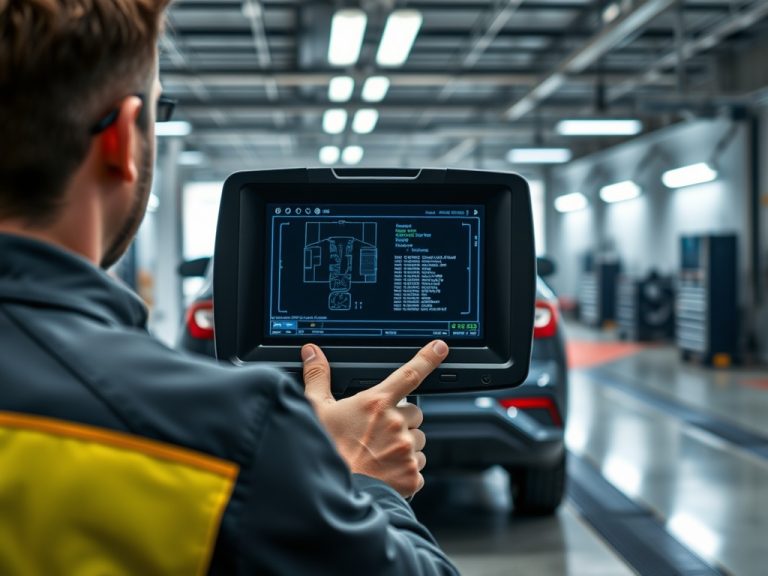
Shops relearn window auto-up and safety functions by teaching the module the glass travel limits, motor behavior, and anti-pinch response after power loss or repair. The exact procedure is vehicle-specific, so a correct repair verifies both convenience operation and safety reversal before the vehicle is returned.
Auto-up relearn overview
- Auto-up windows may lose calibration after battery disconnect, motor replacement, regulator repair, glass adjustment, or module work.
- A relearn is not just a convenience reset; it can affect pinch protection and stopping points.
- The final check should confirm full travel, one-touch operation, and safe reversal behavior without forcing the glass.
Why windows need relearning after repairs
A power window with auto-up does more than move glass. It has to know where full open and full closed positions are, how much resistance is normal, and when resistance may indicate an obstruction. After certain repairs or power interruptions, the module can lose part of that learned information.
Common triggers include battery replacement, battery discharge, door-module replacement, window motor or regulator replacement, glass removal, door harness work, body repair, and some software updates. The window may still move up and down, but one-touch operation, express-up, or safety reversal may not work correctly until initialization is performed.
Federal rules for power-operated window systems address automatic reversal requirements in certain conditions. The regulation covering power-operated window, partition, and roof panel systems helps explain why anti-pinch behavior is treated as a safety function, not only a comfort feature.
What the technician checks before initialization
A shop should not start by repeatedly forcing the switch. It should first check whether the window moves smoothly in both directions, whether the glass is binding, whether the regulator is aligned, whether the run channels are damaged, and whether the door harness or module has related codes. A mechanical problem can make a relearn fail or create false pinch events.
- The glass should sit correctly in the track and seal.
- The regulator and motor should not grind, skip, or stall.
- Door seals and run channels should not be folded, dry, torn, or pinched.
- Battery voltage should be stable during the procedure.
- Any body-control or door-module codes should be recorded before clearing.
This matters after an electrical no-start, because low voltage and battery work can affect several learned functions. If the vehicle recently had starting issues, review why a car clicks but won't start and share that history with the shop.
How the relearn is usually performed
The procedure varies by manufacturer. Some vehicles use a switch-hold sequence. Others require a scan tool to command initialization or clear learned values. Some need the door closed, ignition in a specific mode, or battery support connected. On certain vehicles, the driver's window, passenger windows, and sunroof each have separate procedures.
| Step category | What happens | Why it matters |
|---|---|---|
| Pre-check | Inspect glass movement, tracks, seals, and voltage. | Mechanical drag can be mistaken for an obstruction. |
| Initialization | Move the glass through full travel using the required switch or scan-tool procedure. | The module learns end positions and operating range. |
| Safety check | Confirm that express-up stops or reverses when required by the vehicle procedure. | Convenience operation should not override obstruction protection. |
| Final scan | Check for door, body, or network codes after repair. | A hidden module fault can cause repeat failure. |
| Customer explanation | Tell the driver what was reset and what to watch for. | Repeat symptoms can be reported clearly if they return. |

Why anti-pinch verification cannot be skipped
A window that closes automatically must be checked carefully after repair. Shops should use the test method specified for the vehicle rather than placing hands, fingers, or improvised objects in the opening. The purpose is to confirm that the system responds correctly without creating risk or damaging parts.
If auto-up works but reversal does not, the job is not complete. If the window reverses constantly with no obstruction, the system may be seeing excessive drag from a channel, glass adjustment, regulator issue, or incorrect initialization. Both failures matter.
Manufacturer communications can be helpful when a known software update or procedure applies. NHTSA's page on manufacturer communications explains that manufacturers submit notices and bulletins covering defects, failures, malfunctions, and related service information.
Common repair situations that cause relearn problems
- A regulator is replaced but the glass is not aligned in the run channel.
- A battery is disconnected and only the driver's window is reinitialized.
- The door is tested open even though the procedure requires it closed.
- The shop clears codes before saving module data.
- A weak battery causes low-voltage faults during relearn.
- A damaged run channel makes the module think the glass hit an obstruction.
These problems are easier to resolve at a shop that documents electrical and module behavior. If you are already comparing facilities, the guidance on family-owned shops and chain repair centers can help you ask about scan-tool capability and post-repair verification.
What drivers should test at pickup
Before leaving the shop, test every affected switch from the driver's control and the individual door switch if accessible. Confirm manual up, manual down, one-touch down, one-touch up if equipped, and that the window seals fully without bounce-back. Ask how anti-pinch was verified according to the vehicle procedure.
Also watch for related door symptoms: lock problems, mirror faults, speaker dropouts, water leaks, or warning messages. These can point to a door-harness or body-control issue rather than a simple relearn problem. The same diagnostic discipline used for intermittent warning lights can apply here.
When a relearn is not enough
A relearn will not fix a weak motor, bent regulator, broken cable, cracked guide, swollen run channel, poor ground, failing door module, or damaged harness. If the glass tilts, stalls, drops, chatters, moves slowly, or reverses at the same spot every time, the shop should inspect the mechanical path before repeating initialization.
A relearn also will not correct a window that was installed out of alignment after collision or glass repair. Body fit, weatherstrip position, and regulator adjustment can all affect the load the motor sees.
Confirm the glass works before the keys leave
Window relearn is a small procedure with a large customer impact. Done correctly, it restores convenience features and confirms the safety behavior built into the system. Done carelessly, it can leave the driver with a window that reverses randomly, fails to close, or does not respond safely.
Your next step is simple: ask the shop what procedure was used, whether anti-pinch was checked by the approved method, and what to do if the window loses auto-up again after a battery or door repair.