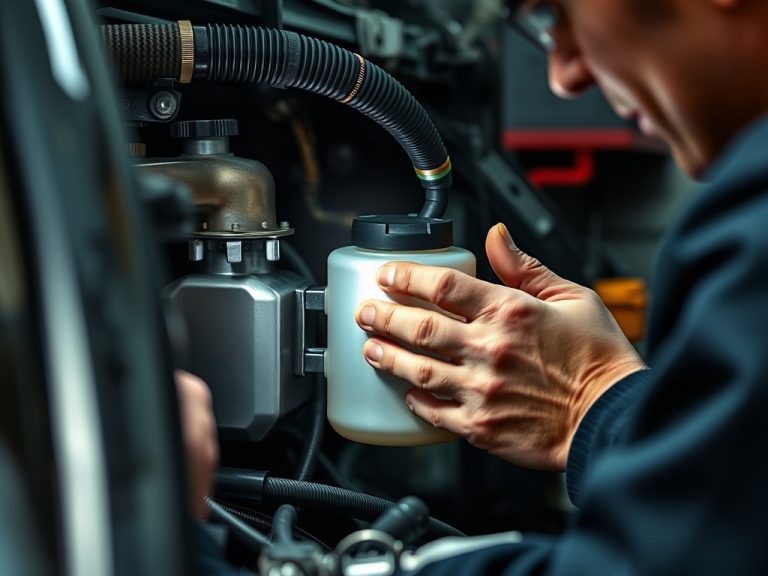
Transmission cooler service matters most for vehicles that tow, haul, climb grades, idle in heat, or have a history of transmission temperature concerns. The point is to keep automatic transmission fluid within a safe operating range by checking the cooler, lines, fluid condition, and heat path before damage starts.
Transmission cooling takeaway
- Heat is one of the main reasons automatic transmission fluid breaks down.
- A cooler service is not automatically a flush or an add-on cooler; it starts with inspection and evidence.
- The right decision depends on the vehicle design, load, driving conditions, fluid condition, and manufacturer guidance.
Why transmissions need heat control
Automatic transmission fluid does more than lubricate. It transfers power, operates hydraulic controls, protects internal parts, keeps seals flexible, and helps remove heat. When the fluid overheats or becomes contaminated, shift quality and internal durability can suffer.
AAA's guide to automatic transmission fluid service notes that automatic transmissions require specific fluid at a precise level, and that the correct fluid specification matters. Its article on quality automatic transmission fluid also explains that heat from internal friction, towing, or hauling can contribute to fluid breakdown.
Transmission cooler service is about that heat path. It may involve inspecting cooler lines, checking for leaks, verifying flow, cleaning debris around external coolers, evaluating radiator-integrated coolers, checking fluid condition, or replacing damaged parts. It does not always mean installing a larger cooler.
Who should ask about cooler service
- Drivers who tow trailers, boats, campers, or work equipment.
- Vehicles that haul heavy cargo or carry added weight often.
- Drivers who spend long periods in stop-and-go traffic in hot weather.
- Vehicles used in hills, mountains, sand, snow, or repeated low-speed load.
- Older vehicles with unknown transmission fluid history.
- Vehicles with past radiator, transmission, or cooling-system contamination concerns.
- Drivers who have seen a transmission temperature warning or noticed burnt-smelling fluid.
The need is not based on pride, vehicle size, or assumptions. A lightly used truck may not need the same attention as a crossover that tows near its rated limit in summer heat. Follow the owner's manual and ask the shop how your actual use changes the service plan. If your vehicle has a factory tow package, ask what extra cooling hardware was included before adding more parts.
What a transmission cooler service can include
| Service item | Why it matters | What good communication sounds like |
|---|---|---|
| Fluid level and condition check | Low, burnt, wrong, or contaminated fluid can affect cooling and shift quality. | The shop explains color, smell, level, and whether the fluid meets specification. |
| Cooler line inspection | Leaks, kinks, corrosion, or seepage can reduce fluid and cooling performance. | The shop identifies where the leak or restriction is, not just that lines look old. |
| Cooler and radiator inspection | Some vehicles use an external cooler, radiator-integrated cooler, or both. | The shop explains the design your vehicle uses. |
| Flow or temperature evaluation | Restricted flow can leave fluid too hot even if level is correct. | The shop bases repair advice on symptoms, data, or test results. |
| Contamination check | Coolant and transmission fluid mixing can create major damage. | The shop shows the sample or test that supports the finding. |

Why cooler problems can look like transmission failure
A transmission that slips, shudders, delays engagement, or shifts harshly may have internal wear, but heat and fluid condition can make symptoms worse. If the cooler is restricted or a line is leaking, the transmission may run hot under load. If the fluid is wrong or contaminated, the system may not behave as designed.
That is why a cooler inspection can be part of diagnosis, not just maintenance. It helps the shop decide whether the issue is heat management, fluid condition, electronic control, internal wear, or a combination.
If fluid looks unusual, the shop should consider cross-contamination before recommending only a flush. The article on checking for cross-contamination in vehicle fluids explains why coolant in transmission fluid or oil in coolant needs careful proof.
When an auxiliary cooler is and is not the answer
An auxiliary cooler can help some vehicles used for towing or heavy service, but it is not automatically right for every situation. The cooler must match the vehicle, airflow, routing, pressure requirements, and climate. Too much modification without understanding the system can create slow warm-up, leaks, warranty concerns, or poor packaging.
Before installing anything, ask the shop what the manufacturer recommends for your towing or severe-service use. Also ask whether the vehicle already has a factory towing package or cooler. If the root problem is a clogged cooler, leaking line, low fluid, or wrong fluid, adding another part may not solve it.
How radiator and cooler issues overlap
Some vehicles route transmission fluid through a cooler built into the radiator. That design helps manage temperature, but it also means radiator problems can affect transmission cooling. In rare failures, fluid barriers can break down and allow coolant and transmission fluid to mix. That situation needs immediate diagnosis because normal fluid service may not be enough.
Cooling-system history matters too. If the engine has overheated, the thermostat has been replaced, or the radiator has been serviced, tell the transmission technician. The discussion of thermostat replacement myths shows why heat complaints should be diagnosed across the system rather than blamed on one easy part.
Questions to ask before approving cooler work
- Does my vehicle have an external cooler, radiator-integrated cooler, or both?
- Is the recommendation based on towing use, fluid condition, temperature data, a leak, or a restriction?
- Does the fluid meet the required vehicle specification?
- Is there any sign of coolant or debris contamination?
- Will the repair include line routing, leak checks, and post-repair temperature verification?
- Could a software update, sensor issue, or internal transmission fault be contributing?
For complex symptoms, a shop may also scan transmission data and check for service bulletins. If warnings appear only sometimes, the same approach used for intermittent warning lights can help capture conditions when the transmission gets hot.
Service the heat path before it becomes a transmission bill
Transmission cooler service is best viewed as heat-management inspection, not a one-size-fits-all upsell. It is most useful when your driving puts extra heat into the transmission or when fluid, leaks, or temperature data show the cooling path needs attention.
Your next step is to review your owner's manual, describe how you actually use the vehicle, and ask the shop to inspect fluid condition, cooler lines, and cooling design before recommending a flush, repair, or auxiliary cooler.